After your vehicle undergoes repairs, especially significant bodywork or a fresh paint job, its surfaces are in a delicate and vulnerable state. The period immediately following a repair is critical for ensuring the longevity and quality of the work. Using the wrong products can quickly undermine the time, effort, and money invested, leading to premature fading, scratching, or even damage to the newly applied finish. It is not just about aesthetics; proper care protects the structural integrity of the paint and its ability to shield the underlying metal from the elements. Understanding which chemicals, waxes, and cleaning tools to avoid is the first step in preserving your car’s pristine, post-repair condition. This guide will walk you through the essential do nots, helping you protect your investment and keep your car looking like it just left the shop for years to come.
Navigating the post-repair care process is crucial for maintaining your vehicle's value and appearance. By avoiding harsh chemicals, abrasive tools, and premature waxing, you give the fresh paint and new components the time they need to cure and settle properly. Gentle hand washing and mindful parking are your best allies during this period. For professional advice on long-term maintenance or to explore our selection of expertly reconditioned vehicles, our team is always here to help. Trust in our expertise to guide you.
Bringing your car home after a repair is a great feeling. It looks new, restored, and ready for the road. However, the work is not truly finished until the new components and, most importantly, the fresh paint have had time to fully cure. This crucial period, which can last anywhere from 30 to 90 days, determines the durability and final appearance of the repair. Using improper products during this time is one of the most common mistakes owners make, inadvertently causing lasting damage. To preserve that "like new" look, you must treat your vehicle with special care, steering clear of a surprising number of common car care products.
Understanding how to care for a fresh paint job after repair is the foundation of post-repair maintenance. Fresh paint needs to "breathe" as solvents evaporate and the layers harden completely. Applying the wrong product can trap these solvents, leading to a soft, vulnerable finish that is prone to smudging, clouding, and premature failure.
The single most sensitive area of a newly repaired vehicle is its paint. The glossy, perfect finish you see is the result of a multi-layer process that needs time to reach its maximum hardness and chemical resistance. Here are the products and practices you must avoid:
While paint is the most visible aspect, major repairs often involve mechanical and structural components. Proper care in the initial weeks extends to these systems as well. After a collision, it is important to understand the difference between how collision repair differs from general auto repair, as it often involves replacing critical safety and performance parts.
Avoid adding any aftermarket fluid additives to your engine oil, transmission fluid, or coolant. Newly installed or repaired components are designed to work with manufacturer-specified fluids. Additives can alter the fluid's properties, potentially interfering with the break-in process or even voiding warranties on new parts. If your repair involved replacing major components, it is also wise to avoid high-stress driving, such as aggressive acceleration, hard braking, or towing. Allow the new parts to settle and seat properly under normal driving conditions. If you have concerns about your vehicle's performance post-repair, it is best to consult our vehicle service department rather than attempting a fix with a bottled product.
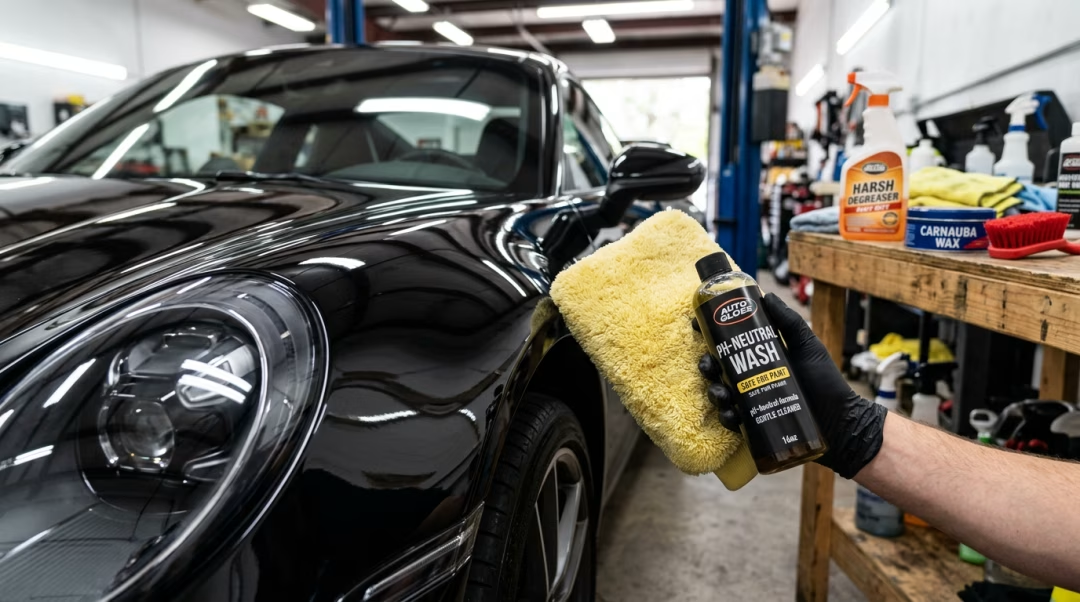
So, what should you be doing? The answer is simple: be gentle. The best way to clean your car during the curing period is a careful hand wash. Use a high-quality, pH-neutral car shampoo, two buckets (one for soapy water, one for rinsing your wash mitt), and a soft microfiber or lambswool wash mitt. This method minimizes the risk of scratching. When drying, use a clean, soft microfiber drying towel and pat the surface dry rather than wiping aggressively.
Life happens, and contaminants like bird droppings, bug splatter, and tree sap are unavoidable. These are acidic and can eat into fresh paint quickly. Do not let them sit. Remove them as soon as possible using a gentle quick detailer spray and a soft microfiber towel. Finally, be mindful of where you park. Avoid parking under trees that drop sap or berries, and try to park in a garage or shaded area to protect the new paint from excessive direct sunlight and UV exposure, which can accelerate what causes paint to fade or oxidize over time.
Proper post-repair care is an investment in the quality and longevity of the work performed. By avoiding these harmful products and practices, you ensure your vehicle continues to look its best and that the repair maintains its integrity for the long haul. If you ever have questions, do not hesitate to contact us for expert advice.
You can typically hand wash your car gently after a few days. The body shop will provide a specific recommendation, but you should always avoid automatic car washes for at least 30 days. The key is to use a pH-neutral soap and a soft microfiber wash mitt. Check our guide on how to wash a freshly painted vehicle safely for more details.
It is best to avoid using a high-pressure washer directly on newly painted surfaces. The intense pressure can be too harsh for curing paint. If you must use one, keep a safe distance, use a wide-angle nozzle (40 degrees or more), and avoid concentrating the spray on panel edges or seams.
Most auto body professionals recommend waiting at least 30 to 90 days before applying any wax, sealant, or ceramic coating. This allows all the solvents in the new paint to evaporate fully, a process known as curing. Applying a protective layer too soon can trap these solvents and damage the finish.
No, not all car soaps are created equal. You should avoid dish soap or any household detergents, as they can strip away essential oils from the paint. Always use a dedicated, pH-neutral automotive shampoo, which is formulated to clean gently without being too harsh on the fresh clear coat.
Act quickly. Bird droppings are highly acidic and can etch into new paint very fast. Do not wipe it away dry, as this can scratch the surface. Instead, gently blot the area with a soft, damp microfiber towel or use a dedicated quick detailer spray to lubricate the surface and lift the contaminant safely.