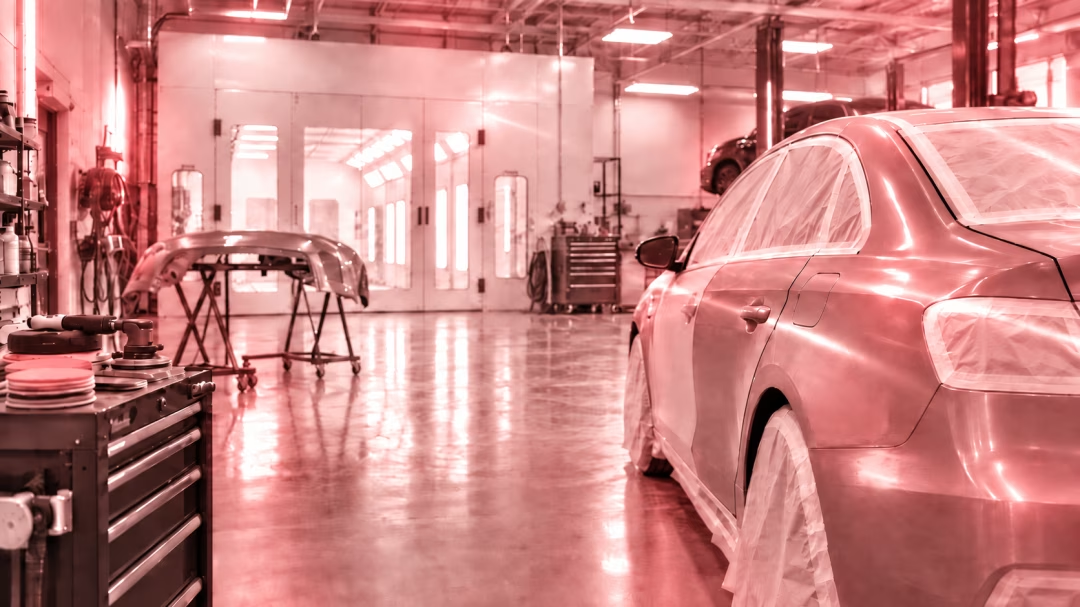
Getting a fresh paint job on your vehicle is an exciting investment, whether it is from a brand-new car off the lot or a high-quality repair from a collision center. The deep gloss and flawless finish are something you will want to protect immediately. However, exercising patience is the most important step in preserving that new look. The common question we hear is, “How long should I wait before waxing my new paint job?” The answer is critical for the longevity of your paint. Fresh automotive paint needs time to “cure,” a process where solvents evaporate from the paint layers. Applying a layer of wax too soon can trap these solvents, hindering the curing process and potentially causing long-term damage like a hazy finish or soft paint. Understanding this curing window is key to ensuring your investment looks great for years to come and maintains its protective qualities against the elements.
The general rule of thumb for a new paint job from a body shop is to wait between 30 and 90 days before applying any wax or sealant. This period allows the clear coat to fully harden and release all residual solvents. Applying wax prematurely essentially suffocates the paint, which can lead to imperfections that are difficult to fix. Always consult the auto body professionals who performed the work, as they will know the specific requirements of the paint system they used on your vehicle.
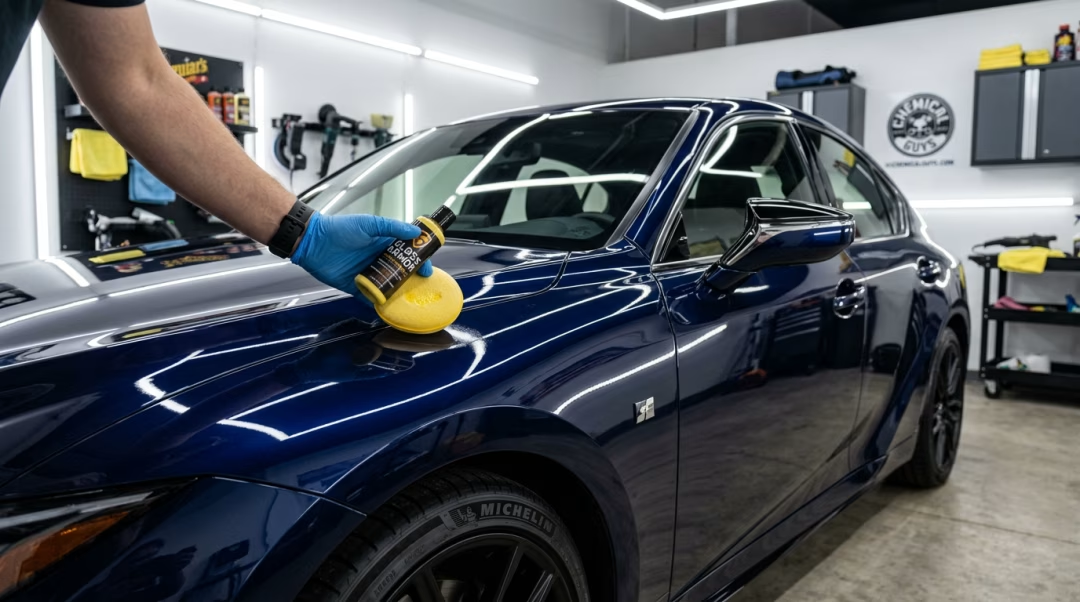
To appreciate why you need to wait before waxing, it helps to understand what is happening on a microscopic level after your car is painted. Modern vehicle paint is a multi-layer system, typically consisting of a primer, a base coat (the color), and a clear coat. The clear coat is the top protective layer that provides gloss, UV protection, and chemical resistance. When this clear coat is applied, it contains solvents that keep it in a liquid state for spraying. After application, these solvents must evaporate completely for the paint to achieve its maximum hardness and durability. This evaporation process is known as "curing" or "outgassing."
Applying a coat of wax, which is designed to be a protective sealant, over uncured paint will block this outgassing process. The solvents become trapped beneath the wax layer. This can result in several problems, including a soft or tacky finish, haziness, cloudiness, or even tiny bubbles appearing in the clear coat over time. By waiting the recommended period, you ensure that all volatile compounds have escaped, leaving behind a hard, stable, and durable finish that is ready for protection. Factors like how weather conditions affect auto paint curing can play a significant role, with higher humidity and colder temperatures often extending the necessary wait time.
It is important to distinguish between the paint on a brand-new vehicle from the manufacturer and a repaint from a collision repair shop. The timelines for when you can wax them are very different.
Just because you cannot wax your vehicle does not mean you cannot protect it. Proper care during the curing window is essential to prevent damage while the paint is still relatively soft. Following these guidelines will help ensure a perfect finish once it is ready for waxing.
Keeping the surface clean is your top priority. Contaminants like bird droppings, bug splatter, and tree sap are acidic and can etch into the soft, curing paint if left for too long.
During the 30-to-90-day window, you should be very mindful of what comes into contact with your vehicle's new finish. It is just as important to know what products to avoid on a newly repaired car as it is to know what to use. Avoid all waxes, sealants, and polishes. Do not use any abrasive compounds or "cleaner waxes," as these will damage the finish. Also, refrain from using tight-fitting car covers, as they can trap moisture and scuff the surface. Whenever possible, park in a garage or shaded area to protect the car from intense UV rays and environmental fallout.
Yes, you can typically use a pure quick detailer spray to remove light dust, fingerprints, or bird droppings during the curing period. However, it is crucial to select a product that does not contain any wax, sealant, or gloss enhancers. Its purpose should be purely for lubrication and cleaning. Always use a plush microfiber towel and apply very light pressure.
Polishing is an abrasive process that uses fine compounds to remove a microscopic layer of the clear coat to eliminate light scratches, swirls, and oxidation. Waxing is a non-abrasive process that adds a protective layer on top of the paint. You should never polish a new paint job during its curing phase, as it is far too aggressive for the soft finish.
No, you should strictly avoid automatic car washes, especially those with spinning brushes or friction cloths, for at least 90 days. The brushes are often harsh and can hold dirt from previous cars, leading to fine scratches and swirl marks on your soft, new paint. Even "touchless" car washes should be avoided for the first 30 days due to the high-pressure water and harsh chemicals they use.
Humidity plays a significant role. High humidity in the air can slow down the rate at which solvents evaporate from the paint. This means that in a very humid environment, the full curing process may take longer than in a dry climate. If your car was painted during a particularly humid season, it is wise to wait closer to the 90-day mark before waxing.
You should always listen to the specific advice of the professional painter who worked on your vehicle, as they have intimate knowledge of the paint system and curing agents they used. Some modern, high-end paint systems have faster curing times. However, if you have any doubts, waiting longer is always the safest option and will never harm your paint. A 30-day wait is a widely accepted minimum standard in the industry.