Have you ever noticed fine, spiderweb-like scratches on your car's paint under direct sunlight? Or perhaps the finish looks dull and lacks the deep, wet shine it once had. This is where paint correction comes in. More than just a simple wash or wax, paint correction is a meticulous process of restoring and rejuvenating a vehicle's paintwork. By carefully removing a microscopic layer of the clear coat, professional detailers can eliminate a wide range of surface imperfections. This includes swirl marks, light scratches, water spots, bird dropping etchings, and oxidation. The ultimate goal is to level the painted surface, creating a perfectly smooth and reflective finish that looks even better than when it left the showroom. It is the definitive solution for achieving a flawless, mirror-like shine and bringing your vehicle's paint back to its absolute best condition, significantly enhancing its appearance and value.
Understanding what paint correction is and when it is needed helps you make informed decisions about your vehicle's long-term care. It is not just about aesthetics; it is a crucial step in preserving the integrity of your paint and protecting your investment. For owners of pre-owned vehicles or those looking to maximize their car's curb appeal, this service offers a transformative result that a standard detail cannot match. By addressing imperfections now, you prepare the surface for protective coatings that will keep it looking pristine for years to come.
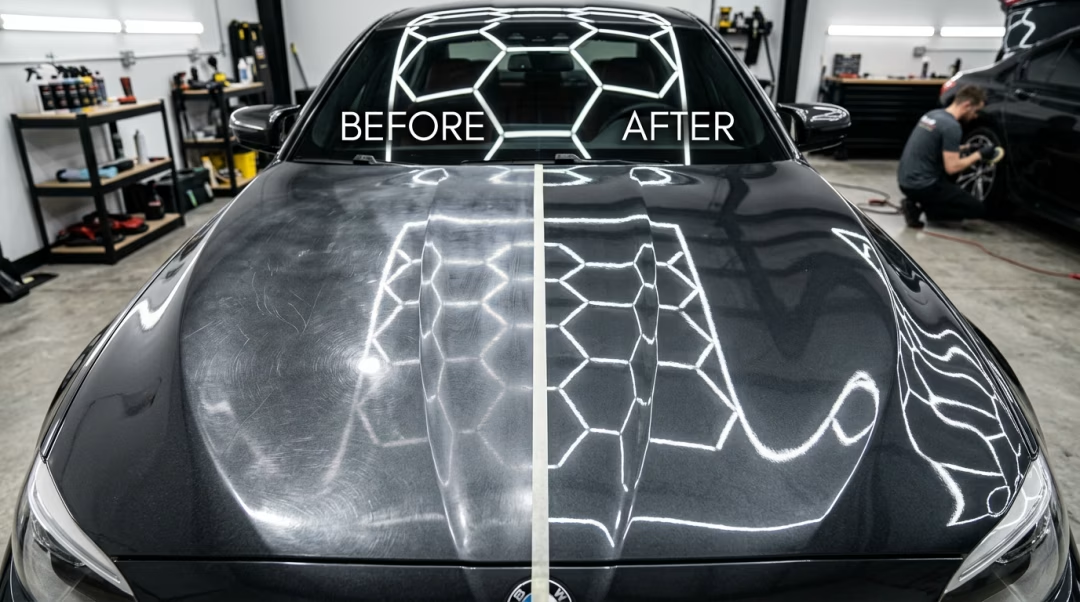
Paint correction is often considered the pinnacle of auto detailing, a skill that blends artistry with technical precision. It is a systematic process designed to permanently remove surface-level defects from a vehicle's clear coat. Unlike waxes or glazes that simply fill in or hide these imperfections temporarily, paint correction physically removes them by leveling the clear coat. This is achieved through the careful use of specialized machine polishers, a variety of polishing pads, and a range of abrasive compounds and polishes. The process can be customized from a single-stage polish to a multi-stage correction, depending on the severity of the defects and the desired level of finish.
Many new or used car owners are surprised to learn that even brand-new vehicles can have paint defects from the factory or from improper washing at the dealership. For anyone browsing our inventory or who has recently purchased a vehicle, understanding this process can help you achieve and maintain a perfect finish.
Before determining if your vehicle needs paint correction, it is important to identify the specific types of damage present on the surface. These flaws are often most visible under bright, direct light sources like the sun or an inspection lamp.
A professional paint correction service is a labor-intensive process that requires patience and expertise. It is far more involved than a quick buff and polish. Here is a breakdown of the typical stages involved:
1. Decontamination Wash: The journey to a perfect finish begins with an incredibly thorough cleaning. The vehicle is washed using the two-bucket method, pH-neutral soaps, and gentle microfiber mitts to prevent inflicting any new scratches. This is followed by a chemical decontamination step using iron removers and tar solvents to dissolve bonded contaminants.
2. Clay Bar Treatment: After the chemical cleaning, a clay bar is used across every painted surface. This physically pulls out any remaining embedded contaminants like industrial fallout, tree sap, and road grime, leaving the paint feeling perfectly smooth to the touch. This step is crucial for ensuring the polishing pads work directly on the clear coat without dragging debris across the surface.
3. Inspection and Measurement: The vehicle is moved into a well-lit area, and a paint depth gauge is used to measure the thickness of the paint and clear coat on various panels. This vital safety step ensures there is enough clear coat to work with, preventing the risk of burning through the paint during the correction process.
4. Compounding (The "Cutting" Stage): This is the first and most aggressive stage of correction. A machine polisher, typically a dual-action or rotary polisher, is paired with a cutting pad and a heavy-cut compound. This abrasive combination carefully shaves off a microscopic layer of the clear coat, leveling the surface and removing the deeper scratches and swirl marks. This stage restores clarity but may leave a slight haze of its own, which is addressed in the next step.
5. Polishing (The "Finishing" Stage): To remove the haze from compounding and refine the finish to a high gloss, the detailer switches to a finishing polish and a softer polishing pad. This stage removes any final, microscopic imperfections and dramatically increases the paint's gloss, depth, and reflectivity. On vehicles with only very light defects, a single-stage polish may be all that is needed.
6. Final Polish and Protection: The vehicle is wiped down with an isopropyl alcohol (IPA) solution to remove all polishing oils. This reveals the true, corrected state of the paint and prepares the surface for a protective layer. A high-quality wax, sealant, or, most commonly, a durable ceramic coating is applied to lock in the flawless finish and protect it from future damage. Proper aftercare is essential, and you can learn more about how to care for a fresh paint job to maintain the results.
Deciding whether your car needs paint correction depends on its current condition and your goals as an owner. It is an excellent choice if you want to restore the beauty of your vehicle, prepare it for a protective coating, or increase its monetary value. If you are thinking about selling or trading in your car, a professional paint correction can significantly boost its curb appeal and potentially increase the offer you receive when you value your trade. It is one of the most impactful investments you can make in your vehicle's appearance. Knowing how to spot quality paint work is a skill that helps you appreciate the true value of this service.
The results of a paint correction are permanent because the defects are physically removed, not just hidden. However, the longevity of the flawless finish depends entirely on how the vehicle is maintained afterward. Using proper washing techniques and avoiding automatic car washes will prevent new swirl marks from being introduced. Applying a durable sealant or ceramic coating provides a protective barrier that helps maintain the finish for years.
Paint correction can only remove scratches that are contained within the clear coat layer of the paint. A common rule of thumb is that if you can feel the scratch with your fingernail, it is likely too deep to be safely removed through polishing alone. These types of scratches have gone through the clear coat and into the color coat or even the primer, and they typically require touch-up paint or a full panel respray to fix.
The cost of paint correction can vary widely based on the size and condition of the vehicle, the level of correction required (single-stage vs. multi-stage), and the detailer's location and expertise. It is a time-consuming and labor-intensive process that requires expensive tools and products. While it costs more than a standard detail, it is an investment in your vehicle's appearance and preservation that provides dramatic and long-lasting results.
While DIY paint correction is possible with the right tools and a lot of research, it carries significant risk for beginners. Using a machine polisher improperly can quickly cause more damage than it fixes, including holograms, burn-through, or permanent marks. It is a skill that takes years to master. For most vehicle owners, it is highly recommended to entrust this job to a trained and experienced professional to ensure a safe and flawless outcome.
A professional and experienced detailer will remove the absolute minimum amount of clear coat necessary to eliminate the defects. They use a paint depth gauge to measure the thickness before and during the process to ensure they are working within safe parameters. Modern clear coats are thin, but a proper correction only removes a few microns (a fraction of the thickness of a human hair), preserving the integrity and UV protection of the paint for the future.