When your vehicle needs professional body work, one of the first questions you will likely ask is, "How long will this take?" The average turnaround time for local body shops can vary dramatically, ranging from just a couple of days for minor fixes to several weeks for extensive collision damage. There is no single, simple answer because every repair is unique. The final timeline depends on a combination of critical factors, including the severity of the damage, the availability of necessary parts (especially OEM components), your insurance company's approval speed, and the specific shop's current workload. Understanding these variables is the first step in setting realistic expectations for your vehicle's repair journey. A transparent shop will walk you through these factors during the initial collision repair estimate to provide the most accurate timeline possible from the start.
Navigating the repair process can feel overwhelming, but being informed helps minimize stress and uncertainty. While some delays, like supply chain issues for parts, are outside of a shop's control, choosing a well-organized and reputable facility makes a significant difference. A top-tier shop communicates proactively, works efficiently with insurance providers, and employs certified technicians who perform the work correctly the first time. This commitment to quality and process not only shortens the potential repair time but also ensures your vehicle is returned to you in pre-accident condition, protecting both its safety and its resale value.
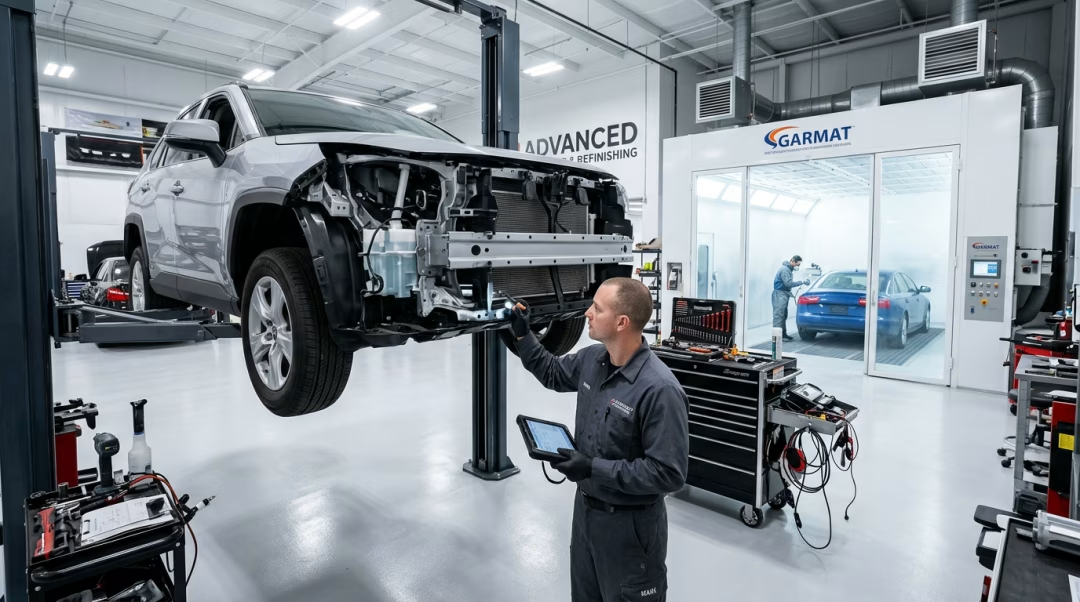
Getting your vehicle back on the road safely and quickly is everyone's goal after an accident. However, the path from a damaged car to a fully restored one involves multiple detailed stages. The "average" turnaround time is a moving target, so it is more helpful to understand the process and the factors that can extend it. Let's break down the journey your car takes at a body shop and explore what influences the duration of its stay.
The clock doesn't truly start ticking the moment you drop off your car. The initial phase is dedicated to assessment and paperwork, which is foundational to the entire repair.
Once the work is green-lit, several variables come into play. These are the primary reasons why one repair might take two days while another takes two months.
1. Severity and Complexity of Damage
This is the single most significant factor. Minor cosmetic issues are much faster to resolve than major structural damage.
2. Parts Availability and Sourcing
A body shop can't complete a repair without the necessary parts. Delays in this area are common and can bring the entire process to a halt. The source of the parts is crucial; there's a reason why OEM parts matter. While they ensure a perfect fit and function, they can sometimes take longer to arrive than aftermarket alternatives. Supply chain disruptions, backorders on parts for specific models, or components shipping from overseas can add days or even weeks to the timeline.
3. The Painting Process
Auto painting is a meticulous, multi-step process that cannot be rushed. It includes surface preparation, priming, base coat application, and clear coat finishing. Each layer must fully cure before the next is applied. Understanding how auto paint color matching technology works highlights the precision involved. The curing time is influenced by temperature and humidity, and a full repaint can easily add several days to the total repair time.
4. Supplemental Damage Claims
It is very common for technicians to discover hidden damage once they begin disassembling the vehicle. When this happens, a supplemental damage claim must be filed with the insurance company. This requires the shop to stop work on that area, document the new damage, get approval from the insurer for the additional repairs, and order more parts. Each supplemental claim can add several days to the timeline.
5. Shop's Workload and Efficiency
A busy, high-demand shop may have a backlog of vehicles. While well-managed shops schedule efficiently, your vehicle still has to wait its turn in line for specific departments, like the frame rack or the paint booth. The certifications a shop holds, such as I-CAR Gold Class, often indicate a more efficient and precise workflow, which can ultimately lead to a more reliable turnaround time. You can learn more by reading about what certifications a collision repair shop should have.
The most common reasons for delays are the discovery of hidden supplemental damage after teardown or unexpected backorders for necessary parts. A reputable shop will communicate these issues to you and your insurance company as soon as they arise, providing a revised timeline.
While much of the timeline is out of your hands, you can help by responding quickly to calls or emails from the shop or your insurance agent. Authorizing repairs promptly and providing any necessary documentation can prevent initial delays. Choosing a shop with a good reputation for efficiency also helps.
Sometimes, yes. An insurance company's Direct Repair Program (DRP) partner shop often has a streamlined communication and approval process, which can shave off time. However, remember that you always have the right to choose your own body shop, and it is best to select one based on quality and trust.
Modern auto paint is typically baked in a paint booth to accelerate curing. It will be hard and durable enough to handle when you pick up your car. However, the paint continues to cure for weeks. It is important to follow your shop's advice on how to care for a fresh paint job, which usually includes waiting 30-90 days before waxing.
A post-repair inspection is a final quality control step where the shop ensures all work was completed to standard, panels are aligned, systems are recalibrated, and the vehicle is clean. This is a critical safety step and is already built into the repair timeline. It's a key reason why a post-repair inspection matters and should never be skipped to save time.