A vehicle's frame is its fundamental skeleton, the core structure that supports the engine, body, and suspension while ensuring your safety during a collision. When an accident occurs, this critical foundation can be bent, twisted, or crushed, compromising the entire vehicle's integrity. Frame straightening is a highly precise and technical auto body repair process designed to restore a damaged frame to its original factory specifications. Using advanced hydraulic machinery and laser measurement systems, skilled technicians apply controlled force to meticulously pull and reshape the metal. This process is not just about making the car look good again; it is about restoring its structural soundness, ensuring proper wheel alignment, and making certain that safety systems like airbags and crumple zones function as intended. Understanding how this vital repair works can provide peace of mind and help you make informed decisions after an accident. To learn more about our commitment to quality, visit our about us page.
Beyond the visible dents and scratches, underlying frame damage can lead to a host of problems, from uneven tire wear to unpredictable handling on the road. The frame straightening process is the only way to correctly address these foundational issues. It ensures that all body panels align perfectly, doors close securely, and the vehicle drives straight and true. Restoring the frame is a critical step in any significant collision repair, directly impacting the vehicle's long term safety, performance, and resale value.
Every car, truck, and SUV relies on its frame for structural support. This rigid underpinning is the single most important component for passenger safety and vehicle dynamics. Historically, most vehicles were built using a body-on-frame design, where a separate body was mounted onto a strong, ladder-like steel frame. Many modern trucks and large SUVs still use this robust construction. However, most contemporary passenger cars and crossovers utilize a unibody design. In a unibody vehicle, the frame and body are integrated into a single, cohesive structure. While this makes vehicles lighter and more fuel efficient, it also means that damage to any part of the structure can have far-reaching effects. You can learn more about this specific process by reading about what is unibody repair and why it matters.
When a collision occurs, the energy of the impact is absorbed and distributed throughout this structure. Frame damage happens when the force is great enough to bend or deform these core support beams. Even a seemingly minor accident can cause subtle shifts that compromise the vehicle's integrity. Ignoring this damage is not an option, as it can lead to a cascade of mechanical and safety issues down the line.
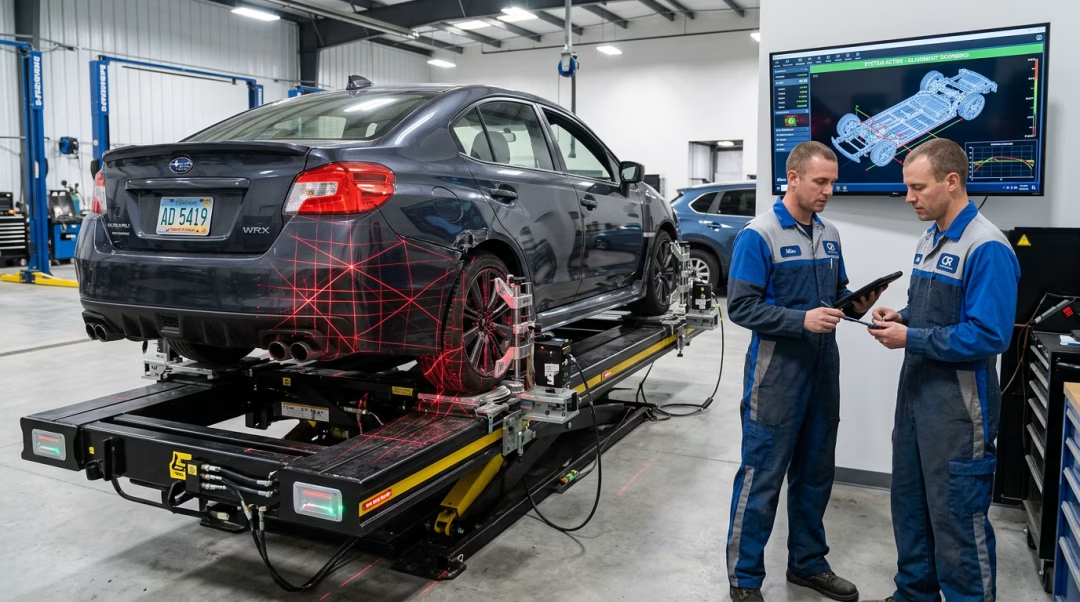
Correcting frame damage is a job that requires immense precision and powerful equipment. It is far from a simple process of hammering out dents. The centerpiece of any professional frame repair is the frame straightening machine, often called a frame rack. This is a large, heavy-duty platform onto which the damaged vehicle is securely anchored with clamps.
The process begins with a meticulous assessment. Before any pulling begins, technicians use sophisticated, computer-aided laser measuring systems. These devices compare the vehicle's current dimensions to the precise factory specifications provided by the manufacturer, known as "datum points." The system can detect deviations as small as a millimeter, creating a 3D digital map of the damage that shows exactly where the frame has been pushed, pulled, or twisted. This initial phase is similar to the thorough review during a collision repair estimate.
Once the damage is mapped, the pulling process begins. The frame rack is equipped with hydraulic towers that can be positioned anywhere around the vehicle. Technicians attach heavy-duty chains from these towers to specific points on the frame. With the computer system providing real-time feedback, the hydraulic system applies immense, controlled pressure—often several tons of force—in the precise opposite direction of the impact. This slow, steady pulling coaxes the metal back into its original shape. This is often done in multiple stages and from several angles to ensure the entire structure is brought back into alignment simultaneously. After the work, a post-repair inspection matters to verify the integrity of the repair.
While a professional diagnosis is essential, there are several warning signs a driver might notice that could indicate underlying structural problems. Being aware of these can help you seek repairs before further issues arise. If you notice any of these issues, it is crucial to investigate the signs your vehicle needs structural frame repair.
Frame straightening is one of the most critical repairs a vehicle can undergo, and it is absolutely not a candidate for a DIY approach or a budget repair shop. The structural integrity of your vehicle is paramount to your safety. A properly repaired frame ensures that crumple zones will collapse as designed in a future accident, protecting the passenger cabin. It is also essential for how technicians restore vehicle safety systems, as sensors for airbags and advanced driver-assistance systems (ADAS) rely on precise positioning to function correctly.
Furthermore, a straight frame is the foundation for everything else. Without it, achieving a proper wheel alignment is impossible, leading to poor handling and constant tire replacement. Body panels will never fit correctly, and the vehicle's value will be significantly diminished. A professional repair not only makes your vehicle safe but also protects your vehicle resale value. When looking for service, it is important to know how to choose a collision repair shop in Crittenden KY that has the right equipment and certified technicians. Whether you're getting repairs or browsing our inventory, quality and safety are our top priorities.
Yes, absolutely. When performed correctly by certified technicians using modern equipment, frame straightening restores the vehicle's structural integrity to factory specifications. A properly repaired frame is just as strong and safe as it was before the accident, ensuring all safety systems will function as designed.
Not necessarily. A vehicle receives a salvage title when an insurance company declares it a "total loss," meaning the cost of repairs exceeds a certain percentage of the car's pre-accident value. Many vehicles with frame damage can be repaired for less than this threshold and will retain a clean title.
The duration depends entirely on the severity of the damage. Minor corrections might only take a day or two, while extensive structural realignment could take a week or more as part of a larger collision repair. The meticulous measuring and pulling process is time-consuming and cannot be rushed.
Most frame damage can be successfully repaired through straightening. However, in cases of extreme impact where the metal has been severely creased, torn, or structurally fatigued, a technician may recommend replacing a specific section of the frame. This involves cutting out the damaged portion and welding a new, OEM-quality section in its place.
The cost of frame straightening varies widely based on the extent of the damage, the type of vehicle, and the labor hours required. A basic setup and pull might cost several hundred dollars, while complex repairs requiring extensive disassembly and multiple pulls can run into the thousands. A detailed estimate from a reputable shop is always the first step.