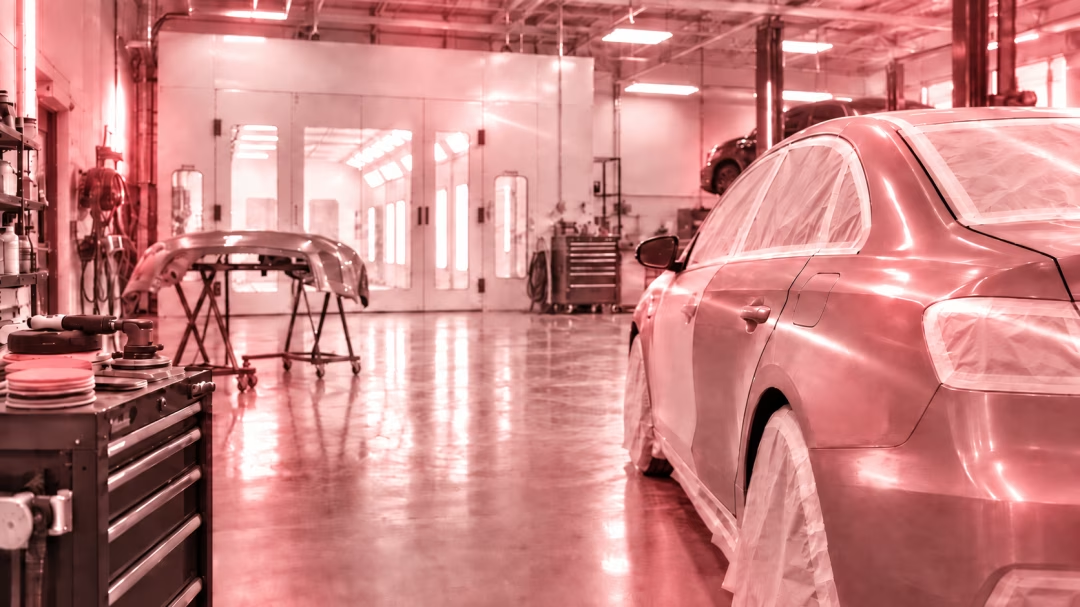
After a collision, your primary concern is getting your vehicle repaired and back on the road. While a reputable body shop aims for perfection, the complexity of modern vehicles means that even the most thorough repairs can have overlooked issues. This is where a post-repair inspection (PRI) becomes an indispensable final step. A PRI is a comprehensive evaluation conducted by an independent, third-party expert after collision work is completed. It serves as a crucial quality control check to verify that all repairs were performed correctly, safely, and according to manufacturer standards. This inspection is not about questioning the integrity of the initial shop; it is about providing you with complete peace of mind. It ensures that hidden structural damage, improperly calibrated safety systems, or subtle cosmetic flaws do not go unnoticed, protecting both your safety and your vehicle’s long-term value. Think of it as a final, expert seal of approval on a significant investment.
Ultimately, a post-repair inspection is your final line of defense against incomplete or improper repairs. It empowers you with the knowledge that your vehicle is not just visually restored, but structurally sound and mechanically safe for you and your family. By confirming that advanced safety features are correctly calibrated and that no shortcuts were taken, a PRI helps maintain your vehicle’s integrity and protects its resale value. Do not leave your safety to chance; verify the quality of the work before you drive away.
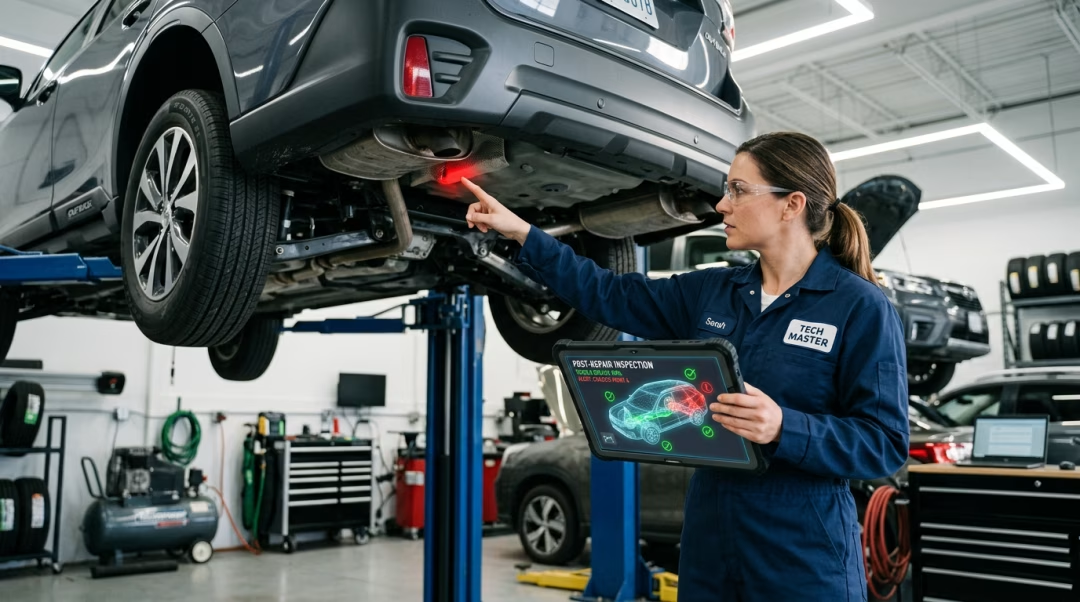
When your car leaves the collision repair shop, it often looks as good as new. The paint is flawless, the panels are straight, and there is no visible sign of the accident. However, the most critical repairs are often the ones you cannot see. Modern vehicles are incredibly complex machines with integrated safety systems, precise structural components, and advanced electronics. An accident can cause a cascade of issues that extend far beyond the dented bumper or crumpled fender. A post-repair inspection (PRI) is designed to uncover these hidden problems and confirm the quality of the work performed, ensuring your vehicle is returned to its pre-accident condition in terms of safety, performance, and appearance.
This inspection goes far beyond a simple walk-around. A qualified inspector meticulously examines every aspect of the repair, from the structural framework to the final paint finish. They are looking for evidence of shortcuts, improper procedures, or missed damage that could compromise your safety down the road. For example, unibody repair requires extreme precision. If it is not done correctly, the vehicle's structural integrity could be compromised, affecting how it performs in a future collision. An inspector will look for signs of improper welding, incorrect panel alignment, or frame measurements that are out of specification.
A comprehensive post-repair inspection is a multi-point process that covers the vehicle from top to bottom. The inspector acts as your advocate, using their expertise and specialized tools to verify the work. Key areas of focus typically include:
Skipping a PRI might seem like a way to save time and money, but the potential consequences can be severe. An improperly repaired vehicle is a significant safety risk. A weakened frame may not protect you in a subsequent accident, and malfunctioning safety systems could fail to engage. For instance, if airbags were deployed, it is critical to ensure they were replaced and the system was reset correctly; an inspector verifies this intricate work.
Financially, the stakes are just as high. Undiscovered issues can lead to expensive follow-up repairs that may no longer be covered by the initial insurance claim. Furthermore, a poor repair job can drastically lower your vehicle's resale value. When you decide to sell or trade in your car, a professional appraisal will likely uncover the shoddy workmanship, costing you thousands. A PRI helps protect your investment and can be crucial evidence if you need to file a diminished value claim with your insurance provider. It provides documented proof of any repair deficiencies, giving you the leverage needed to have the issues corrected by the original shop at their expense.
Ultimately, a post-repair inspection is about accountability and peace of mind. It ensures that the repair shop delivered the quality of work you and your insurance company paid for. It validates that your vehicle has been restored to its pre-loss condition, with all safety systems functioning as designed and its structural integrity intact. After the stress of an accident and the repair process, a PRI is the final, reassuring step that confirms your vehicle is truly ready and safe for the road ahead. Do not just assume the work was done right—verify it. For more information, feel free to browse our blog or contact us with any questions.
A post-repair inspection should always be performed by a qualified, independent third-party mechanic or appraiser who specializes in collision analysis. They should not be affiliated with the original repair shop or the insurance company to ensure an unbiased and objective evaluation of the work performed.
Coverage for a PRI can vary depending on your insurance policy and the circumstances of the claim. In some cases, if significant issues are found, the insurance company may reimburse the cost of the inspection. It is best to discuss this with your insurance adjuster beforehand, but many vehicle owners choose to pay for it out-of-pocket for their own peace of mind.
The ideal time to get a post-repair inspection is immediately after you pick up your vehicle from the body shop and before you sign off on the final paperwork or payment. This gives you the most leverage to have any discovered issues addressed by the original repair shop under the initial claim.
If the inspector finds deficiencies, they will provide a detailed report with photographic evidence. You can then present this report to the original repair shop and your insurance company. Typically, the shop is required to correct the issues at no additional cost to you. The inspection report serves as professional documentation to support your claim for corrections.
A standard state vehicle inspection primarily checks for basic safety and emissions compliance, such as working lights, tire tread depth, and brake function. A post-repair inspection is far more in-depth, focusing specifically on the quality and completeness of recent collision repairs, including frame straightness, weld quality, and the proper calibration of advanced safety systems.