There is nothing quite like the deep, flawless shine of a new paint job. Whether it is on a brand-new vehicle from our inventory or fresh from a repair, that perfect finish is something to be proud of. That is why it is so frustrating to see it marred by stubborn water spots. These blemishes are more than just dried water; they are mineral deposits left behind after the H2O evaporates. Depending on the mineral content of the water and how long it sits, these spots can range from a light, dusty film to a severely etched blemish that permanently damages the clear coat. Understanding what causes these spots is the first step in preventing them and keeping your vehicle’s paint looking pristine. New paint, in particular, is vulnerable as it continues to cure for weeks after application, making it softer and more susceptible to this kind of damage.
Protecting your investment means being proactive. The primary culprits behind water spots are common and often unavoidable: tap water from a garden hose, lawn sprinklers, and even natural rainwater. When these water sources dry on your car’s surface, particularly under the heat of the sun, the minerals bond to the paint. On a new finish, this process happens much faster. A little knowledge about proper washing techniques, protective coatings, and simple preventative measures can make all the difference in preserving that showroom shine for years to come.
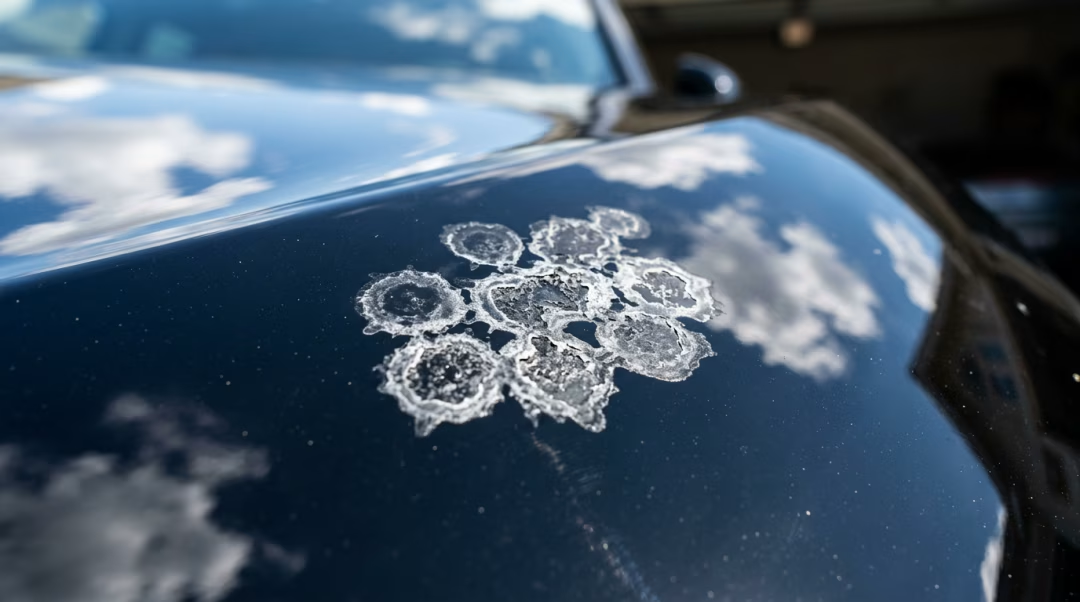
Water spots are a universal frustration for car owners. At first glance, they seem like a minor annoyance, but they represent a genuine threat to your vehicle's paint, especially when the paint is new. To understand the risk, it is essential to know what is actually happening on the surface of your car. Water, unless it is distilled or deionized, contains dissolved minerals like calcium, magnesium, and sodium. When a droplet of water sits on your car and evaporates, the water itself turns to vapor and disappears, but these heavier mineral solids are left behind. This is the white, chalky residue you see.
The problem escalates from a simple deposit to actual damage based on a few key factors: the hardness of the water (how much mineral content it has), the ambient temperature, and the amount of time the deposit is left on the surface. Heat from direct sunlight acts as a catalyst, baking these minerals onto and into your vehicle’s clear coat.
Not all water spots are created equal. Automotive detailers and paint specialists categorize them into three distinct types, each representing a different level of severity.
A freshly painted car is particularly at risk. While modern automotive paint feels dry to the touch within hours, it undergoes a lengthy curing process that can last from 30 to 90 days. During this period, solvents are still evaporating from the paint layers, a process known as "outgassing." The paint is technically still soft and pliable on a microscopic level, making it much easier for mineral deposits to etch into the surface. Exposing a new paint job to hard water or failing to dry it immediately after washing is one of the fastest ways to create Type II or Type III damage. That is why following proper instructions on how to care for a fresh paint job is critical.
Since preventing damage is always easier and cheaper than repairing it, adopting a few key habits is essential for any car owner, especially one with new paint.
Proper Washing and Drying: This is the most important step. Always wash your vehicle in the shade, never in direct sunlight. The heat will cause water and soap to evaporate too quickly, leaving spots behind. Wash one panel at a time and rinse it thoroughly before moving on. Most importantly, dry the vehicle completely using high-quality microfiber towels or a filtered air blower. Do not let it air dry.
Apply Protection: The best defense is a hydrophobic (water-repelling) layer between your paint and the elements. A quality wax or paint sealant provides a temporary barrier, but for the best long-term protection, consider a professionally installed ceramic coating. These coatings create a super-slick, hard shell that makes it difficult for water to stick and for minerals to bond to the paint.
Be Mindful of Parking: Avoid parking near sprinklers. They are a primary source of hard water spots that are repeatedly applied and baked on day after day. If possible, park in a garage or under a carport to protect your car from rain and morning dew. If you must park outside, a high-quality, breathable car cover can offer excellent protection.
On a new, uncured paint job, damage can begin in just a few hours. If hard water droplets are left to dry under direct sunlight, the heat can accelerate the process, potentially causing light etching (Type III damage) in less than a day. It is crucial to remove any water from new paint immediately.
A touchless car wash might remove very light Type I spots, but it will not remove bonded minerals (Type II) or etching (Type III). Furthermore, many automated car washes use recycled water that can be high in mineral content, potentially making the problem worse if the car is not dried properly afterward.
While better than most tap water, bottled "spring" or "mineral" water still contains minerals and can leave spots. The best water to use for a spot-free rinse is distilled or deionized water, which has had nearly all minerals removed. You can buy this by the gallon at most grocery stores.
Rainwater is generally softer than tap water, but it is not pure. It collects pollutants and dust from the atmosphere as it falls, which are left on your car when the water evaporates. In industrial areas, "acid rain" can be particularly corrosive and can cause severe etching very quickly.
Sunlight heats the metal panels of your car to temperatures well above the ambient air temperature. This causes water and soap to evaporate almost instantly, before you have a chance to properly rinse or dry them. This leaves behind soap scum and concentrated mineral deposits, creating severe water spots.