Investing in a fresh repaint, whether after a collision repair or for a custom look, restores your vehicle's beauty. Protecting that significant investment is the critical next step. A ceramic coating offers a superior, long-lasting shield that far surpasses traditional waxes or sealants. This advanced liquid polymer creates a molecular bond with your vehicle’s new clear coat, forming a durable, semi-permanent layer of protection. This glassy shell not only delivers an incredible, deep gloss that enhances your new paint but also provides robust defense against environmental hazards like UV rays, acid rain, bird droppings, and road grime. By making the surface extremely hydrophobic, it repels water and contaminants, keeping your car cleaner for longer and simplifying maintenance. It is the definitive way to preserve that fresh-from-the-shop finish and safeguard your vehicle’s value for years to come.
Applying a ceramic coating is not a step to be rushed, especially on a freshly painted surface. The success of the coating hinges entirely on proper timing and meticulous preparation. New automotive paint undergoes a crucial curing process known as "outgassing," where solvents from the paint evaporate. Applying a coating prematurely can trap these solvents, leading to potential defects and coating failure. Understanding this waiting period is essential for achieving the flawless, lasting protection you desire. Once the paint is fully cured, the surface must be perfectly prepared to ensure the coating forms a strong, permanent bond.
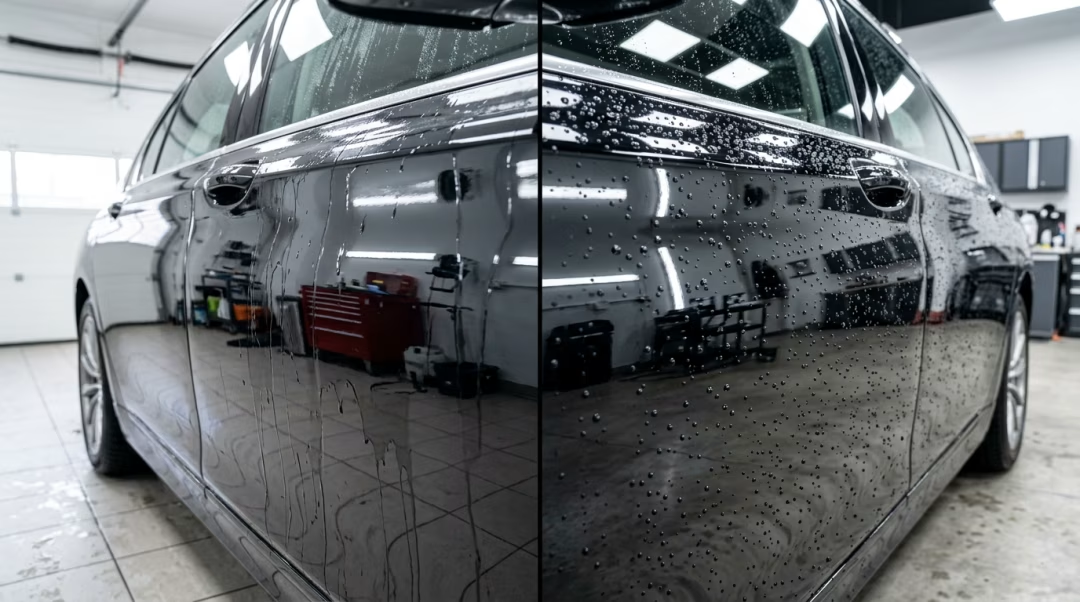
A professional repaint can make a vehicle look brand new, erasing years of wear or damage from an accident. To keep it looking that way, you need a level of protection that matches the quality of the new finish. This is where nanotechnology, in the form of ceramic coatings, provides an unparalleled solution. Unlike a traditional wax that sits on top of the paint, a ceramic coating is a liquid polymer, often based on silicon dioxide (SiO2), that chemically bonds with your vehicle's factory or freshly applied clear coat. This creates a hardened, microscopic layer that is chemically resistant, UV absorbent, and incredibly slick.
The single most important factor when applying a ceramic coating to a new paint job is timing. After a vehicle is repainted, the new layers of primer, base coat, and clear coat need time to fully harden and cure. During this phase, solvents and other volatile organic compounds (VOCs) that keep the paint in a liquid state for application must evaporate from the surface. This process is called outgassing. If a ceramic coating is applied before outgassing is complete, it effectively seals the paint, trapping these escaping solvents. This can lead to a host of problems, including:
So, how long should you wait? There is no single answer, as the duration depends on the specific paint system used, the number of coats applied, and the environmental conditions during the curing process. As a general guideline, most auto body professionals recommend waiting at least 30 to 90 days. Always consult the body shop that performed the work for their specific recommendation, as they will know the technical details of the products they used. To learn more about environmental factors, see our guide on how weather affects auto paint curing.
Once your new paint is fully cured, the vehicle is ready for the coating process. Even though the paint is fresh, it still requires several preparatory steps to ensure the coating can bond perfectly for maximum durability and performance.
1. Decontamination Wash: The vehicle will first undergo a thorough hand wash using pH-neutral soap. This removes any loose dirt and grime accumulated since leaving the body shop. A chemical decontamination step with an iron remover may also be used to dissolve any bonded ferrous particles.
2. Light Paint Correction: While the paint is new, it may still have minor imperfections like dust nibs or a slight texture from the application process. A very gentle, single-stage polish is often performed to level the surface and maximize gloss. This creates a perfectly smooth canvas for the coating. This process is far less intensive than a full paint correction on an older vehicle.
3. Surface Degreasing: This is a non-negotiable step. The entire painted surface is wiped down with a special prep solvent or an isopropyl alcohol (IPA) solution. This removes any polishing oils, waxes, or residues that could interfere with the chemical bond of the ceramic coating.
4. Professional Application: The ceramic coating is carefully applied by a trained technician, one small panel section at a time. The liquid is spread evenly, allowed to "flash" (begin to cure), and then meticulously leveled and buffed to a high gloss. This requires a controlled environment to avoid dust and ensure proper application.
Going through the process of repainting and then properly applying a ceramic coating yields significant long-term advantages that protect both your vehicle's appearance and its resale value.
In conclusion, pairing a fresh repaint with a professionally applied ceramic coating is the ultimate strategy for long-term paint preservation. By respecting the crucial paint curing window and following a meticulous preparation process, you create a durable, glossy shield that protects your investment and keeps your vehicle looking flawless for years.
The general industry recommendation is to wait a minimum of 30 days, with 60 to 90 days being even safer. This allows the new paint to fully cure and "outgas" all its solvents. Always confirm the ideal waiting period with the body shop that performed the repaint, as different paint systems have unique curing requirements.
It is strongly advised not to apply any wax, sealant, or other paint protection until the paint is fully cured. Similar to a ceramic coating, these products can trap solvents and inhibit the outgassing process, potentially harming the fresh paint. Stick to gentle, pH-neutral car soaps for washing during this period.
No, a ceramic coating will not hide scratches, swirl marks, or other imperfections. In fact, its high-gloss properties can sometimes magnify them. That is why a light paint correction or polish is often performed before application to ensure the underlying surface is as flawless as possible before being sealed in.
A clear coat is a layer of clear paint applied over the colored base coat that provides the primary gloss and UV protection from the factory or body shop. A ceramic coating is a much thinner, harder, and more chemically resistant aftermarket product that bonds on top of the clear coat to protect it from the elements.
While ceramic coatings add a hard, durable layer that provides excellent resistance to very light scratches and swirl marks from washing, they do not make a vehicle scratch-proof. Deep scratches from keys, automatic car washes, or other impacts can still penetrate the coating and damage the paint underneath.