When you are searching for the perfect used car, the glossy shine of the paint is often the first thing that catches your eye. But that gleaming finish can sometimes hide a history of repairs. Knowing how to spot quality paint work on a repaired vehicle is an essential skill for any savvy car buyer. A professional, high-quality repair is not a red flag; in fact, it shows that the previous owner cared for the vehicle. However, a poorly executed paint job can be a warning sign of shoddy workmanship, which may conceal deeper issues or lead to future problems like rust and peeling. Understanding the subtle differences between a factory finish and a subpar repair empowers you to make a confident and informed decision. It allows you to look beyond the surface shine and truly assess the vehicle’s condition and value, ensuring the car you drive home is as reliable as it is beautiful.
This guide is designed to turn you into a more discerning inspector. By learning a few simple techniques—using both your eyes and your sense of touch—you can identify the telltale signs of auto body repair. From mismatched colors and uneven textures to hidden overspray, we will walk you through everything you need to know. This knowledge not only protects you from a bad investment but also helps you appreciate the craftsmanship that goes into a truly professional vehicle restoration. At our dealership, we pride ourselves on transparency and quality, which you can learn more about on our about us page.
A vehicle's paint is its first line of defense against the elements and a major factor in its aesthetic appeal and resale value. When a car has undergone collision repair, the quality of the paint and body work is a direct reflection of the overall quality of the repair. A meticulous paint job suggests that equal care was taken with any mechanical or structural repairs that may have been necessary. Conversely, a rushed or cheap paint job can be an indicator of cut corners elsewhere. Before you begin your inspection, make sure the vehicle is clean and dry, and try to view it in bright, indirect sunlight. Direct sun can create glare that hides imperfections, while poor lighting can make it impossible to see subtle differences in color and texture.
Your initial inspection should be a slow walk-around of the entire vehicle from a few feet away. This vantage point helps you spot larger inconsistencies before you dive into the finer details. Keep an eye on how the light reflects across the body panels.
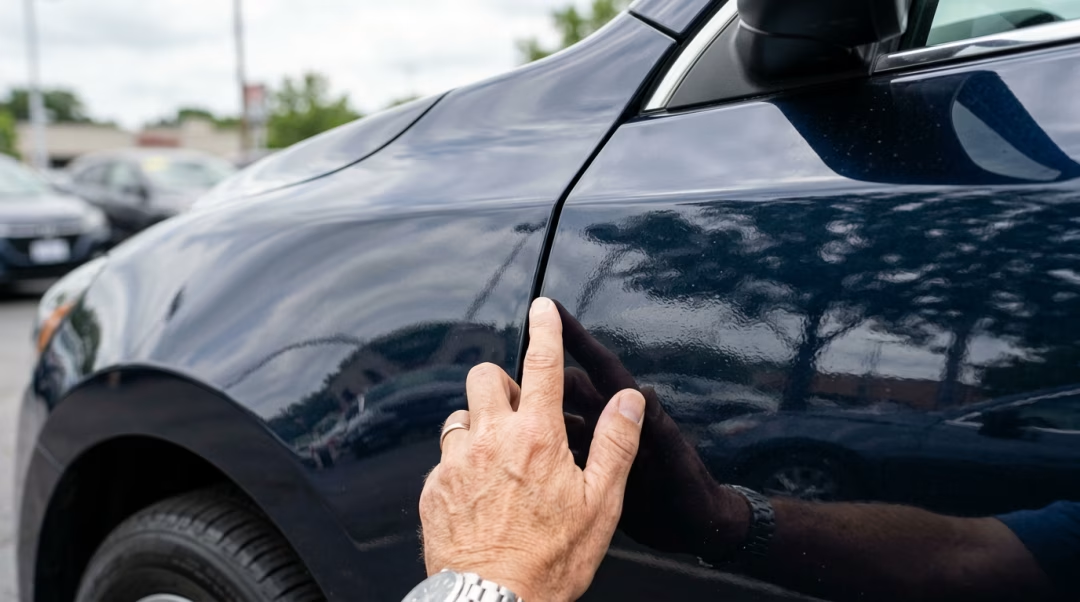
After your initial walk-around, it is time to get closer and use your sense of touch. Your fingertips are surprisingly sensitive to imperfections that the eye might miss. Combine this with a detailed visual check of common problem areas.
Overspray is the Smoking Gun:
Overspray is fine paint mist that lands on areas that were not meant to be painted. It is one of the most common signs of a sloppy masking job. Carefully check these areas:
A quality shop will remove many of these components before painting to ensure clean lines and no overspray.
Feel for Imperfections:
Gently run your hand along the surface of the panels. A quality job will feel as smooth as the original factory paint. Be alert for:
Identifying a past repair is not about disqualifying a vehicle. It is about assessing the quality of that repair to understand the vehicle's true condition and value. A high-quality repair job can restore a vehicle to its pre-accident condition, both structurally and aesthetically. At our dealership, every vehicle in our inventory undergoes a rigorous inspection process. We believe in transparency and want our customers to feel completely confident in their purchase. If you have questions about a specific vehicle's history, our team is always here to provide answers. You can even get a head start on the process by filling out our pre-approval application or getting an estimate to value your trade.
Overspray is a fine mist of paint that settles on parts of the car that were not properly masked off during a repaint. It's a key sign of a rushed job. You should look for it on black plastic trim, window rubber seals, inside wheel wells, on suspension parts, and along the edges of the engine bay. A quality repair shop will remove these parts before painting to avoid this issue entirely.
Yes, absolutely. A cosmetic repair with new paint and body filler can sometimes be used to conceal more significant underlying issues, such as a bent frame or improper structural repairs. That is why identifying poor-quality paint work is so important—it can be an indicator that you need to have the vehicle inspected more thoroughly by a professional mechanic or frame specialist before purchasing.
While professional body shops use advanced computerized systems to match paint codes, a perfect match can be extremely difficult. Factors like the angle of application, age of the original paint, and plastic versus metal surfaces can cause very subtle differences. However, a quality job should be nearly undetectable to the naked eye in most lighting conditions. A noticeable mismatch is a sign of a subpar repair.
"Orange peel" refers to a dimpled, uneven texture that resembles the skin of an orange. While a very light, uniform orange peel is normal on factory paint jobs, a heavy or wavy texture indicates an improper application. It can be caused by incorrect spray gun settings, improper paint viscosity, or poor painting technique. It's a clear sign that the panel has been repainted.
A reputable dealership has a multi-point inspection process for every used vehicle they acquire. This includes a thorough cosmetic inspection to identify signs of previous repairs. If repairs are found, they are assessed for quality. We reject vehicles with poor-quality repairs that could compromise safety or long-term durability. We stand by the quality of our inventory and are transparent about a vehicle's history.