As a business owner, your fleet is more than just a collection of vehicles; it is the lifeblood of your operations. When a fleet vehicle sustains damage, the impact extends far beyond the cosmetic. It represents immediate downtime, potential revenue loss, complex insurance negotiations, and logistical headaches that can disrupt your entire workflow. Handling fleet vehicle damage effectively requires a strategic and proactive approach. From the moment an incident occurs, every decision you make can influence the speed of the repair, the quality of the work, and the safety of your driver. A well-defined plan ensures you can navigate this challenging process with confidence, minimizing operational interruptions and protecting your valuable assets. Understanding the critical steps, from on-scene documentation to choosing a qualified repair partner, is essential for getting your vehicle back on the road and back to work safely and efficiently, safeguarding your bottom line.
Navigating the aftermath of fleet vehicle damage is a critical test of your business’s resilience. The right approach not only accelerates the return of your asset to service but also preserves its long-term value and safety integrity. Choosing a collision repair facility that understands the unique demands of commercial fleet vehicles is paramount. An expert partner will streamline the insurance process, perform meticulous repairs using the correct procedures, and ensure all advanced safety systems are perfectly recalibrated, helping you maintain operational continuity with minimal disruption.
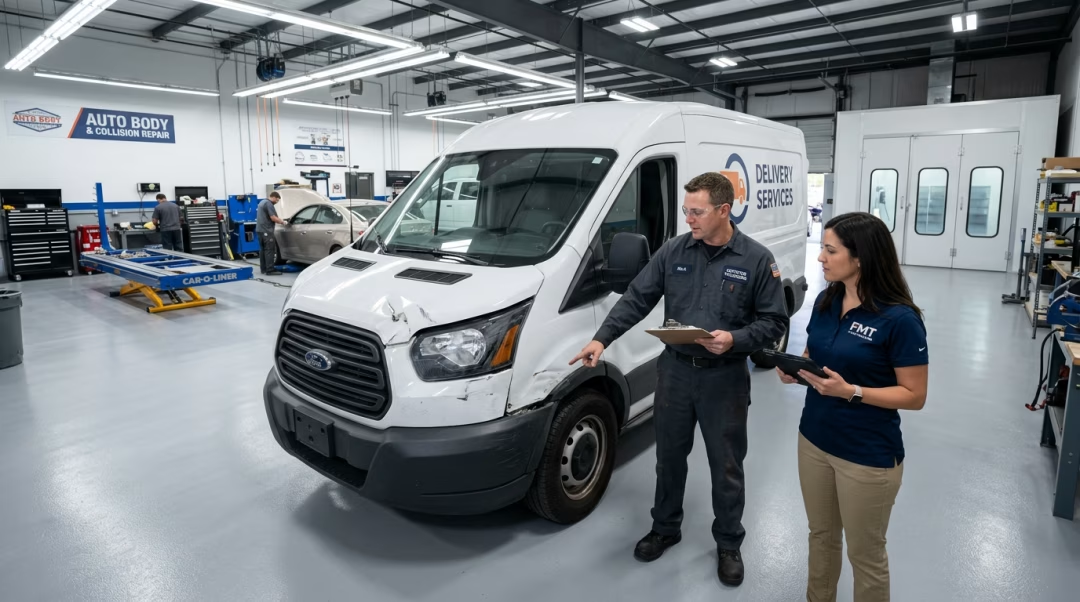
When a commercial vehicle is out of commission, the clock starts ticking on lost productivity and revenue. Unlike a personal car, a damaged work truck, van, or sedan represents a direct hit to your company's ability to serve customers and generate income. Business owners and fleet managers must therefore treat vehicle damage not just as a repair issue, but as a critical business continuity challenge. A swift, organized response is crucial. This involves more than just calling a tow truck; it requires a systematic process for documentation, insurance communication, and selecting a repair partner equipped to handle the specific needs of commercial vehicles. Failing to manage this process correctly can lead to prolonged downtime, improper repairs that compromise safety, and future liability risks.
The moments immediately following an accident are critical. Instructing your drivers on a clear, concise post-incident protocol can significantly impact the outcome of an insurance claim and the subsequent repair process. The primary focus should always be on safety, followed by thorough documentation.
Not all auto body shops are created equal, especially when it comes to the demands of commercial vehicles. Work trucks and vans often have different construction, specialized equipment, and more complex systems than passenger cars. Selecting the right partner is arguably the most important decision you will make in the repair process. You have the right to choose your own body shop, and you should exercise that right by vetting potential facilities based on their experience with fleets. Look for a shop that demonstrates expertise in handling the logistical and technical challenges of commercial repairs, from managing complex insurance claims to understanding the importance of minimizing downtime. A trustworthy shop will prioritize transparency, communication, and quality above all else.
The repair of a commercial vehicle is a multi-stage process that requires precision and technical expertise. A quality repair goes beyond simply making the vehicle look good; it is about restoring its structural integrity and ensuring all safety systems function exactly as the manufacturer intended. Understanding what to expect can help you evaluate a shop's capabilities.
First, a thorough inspection and teardown is performed to identify all visible and hidden damage. This is often when supplemental damage is found, which requires communication with the insurance provider. Next, if there is structural damage, technicians use sophisticated frame-straightening equipment to return the vehicle's chassis to precise factory specifications. This is a critical safety step, as explained in our article on signs your vehicle needs structural frame repair. Once the structure is sound, body panels are repaired or replaced, and advanced color-matching technology is used to ensure a seamless paint finish. Finally, the vehicle is reassembled, and all Advanced Driver-Assistance Systems (ADAS) like cameras and sensors are meticulously recalibrated. This last step is non-negotiable for modern vehicles, as improper calibration can compromise vital safety features.
The commercial auto insurance claims process can be more intricate than a personal claim. Your repair partner should be your advocate, working directly with the insurance adjuster to ensure all necessary repairs are approved and that no corners are cut. This includes negotiating for the use of OEM parts when necessary and documenting the need for supplemental repairs. A shop experienced in fleet services understands that your primary goal is to minimize downtime. They should provide you with a clear repair timeline and regular progress updates. Some shops may offer priority service for fleet accounts or assist with arranging temporary vehicle rentals to keep your business moving while the primary asset is being repaired. Proactively discussing these logistics with the shop upfront can make a significant difference in the overall impact on your operations.
Commercial fleet repair prioritizes minimizing downtime because the vehicle is a revenue-generating asset. The repairs often involve specialized equipment for larger vehicles like work trucks and vans. Furthermore, the insurance claims process is typically more complex, and repair shops must understand how to navigate commercial policies and work with fleet managers to ensure operational continuity.
Yes, in most states, you have the legal right to choose your own collision repair facility, regardless of your insurance provider's recommendation. It is highly recommended that you select a shop that specializes in commercial and fleet vehicles, as they will be better equipped to handle the unique demands of your assets and advocate on your behalf during the claims process.
Supplemental damage is any additional damage discovered after the initial insurance estimate has been written, typically during the vehicle teardown phase. It is very common in collision repair. A reputable body shop will document this hidden damage and submit a supplement to the insurance company for approval to ensure the vehicle is repaired completely and safely, rather than just fixing the visible issues.
Advanced Driver-Assistance Systems (ADAS) include cameras, sensors, and radar that control safety features like automatic emergency braking, lane-keeping assist, and blind-spot monitoring. After a collision or even minor part replacement like a windshield or bumper, these systems must be precisely recalibrated to factory specifications. Failure to do so can cause these safety systems to malfunction, creating a significant liability risk.
The best way to minimize downtime is to partner with a collision repair shop that specializes in fleet services. These shops often offer priority scheduling and have efficient processes for parts ordering and insurance communication. You should also ensure you provide all necessary documentation promptly and maintain open communication with the shop and your insurance provider to prevent delays.