Navigating the aftermath of a vehicle collision can be a stressful and confusing experience. Amidst the immediate concerns for safety and well being, the thought of filing an auto body insurance claim can feel overwhelming. However, being prepared with the correct documentation is the single most effective way to streamline the entire process. A smooth claim leads to a faster approval and gets your vehicle into the repair shop sooner. Having an organized file with all the necessary information not only helps your insurance adjuster but also empowers you to advocate for a fair and complete repair. This guide will walk you through exactly what you need to gather, from the moment an accident occurs to the day you drop your car off for repairs. By understanding what is required beforehand, you can transform a complicated situation into a manageable series of steps, ensuring you get back on the road safely and with minimal delay.
Having your documents in order is the foundation of a successful and stress free auto body insurance claim. This preparation demonstrates to your insurance provider that you are organized and serious, which can help expedite every stage of the claims process. It minimizes back and forth communication, prevents unnecessary delays, and ensures the repair technicians have the approved paperwork needed to begin restoring your vehicle. Think of it as creating a complete story of the incident for anyone who needs to review it.
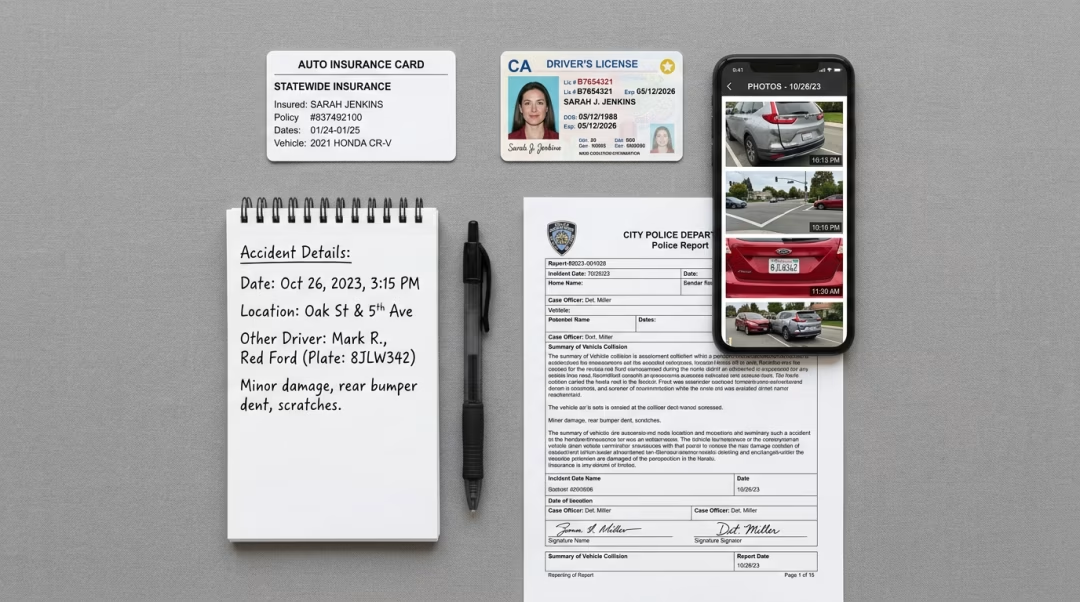
An auto accident is an abrupt and jarring event, and it is completely normal to feel disoriented in the moments that follow. However, the actions you take and the information you collect at the scene are crucial for building a strong foundation for your insurance claim. The more thorough you are from the start, the fewer complications you will encounter later. We have broken down the documentation process into key stages to help you stay organized.
Your first priority is always safety. Once you have confirmed everyone is safe and moved your vehicle out of traffic if possible, your focus should shift to information gathering. This on site evidence is invaluable because it is collected in real time and is difficult to dispute later.
Once you are safely away from the scene, you should contact your insurance company as soon as possible to begin the claims process. When you make this call, having the following information ready will make the conversation much more efficient.
Your primary point of contact will be an insurance adjuster assigned to your case. They will review all the submitted information to determine fault and the extent of the covered damages. You will need to provide them with your policy number and all the details you gathered at the scene. It is also wise to write down your own detailed account of what happened while it is still fresh in your mind. Include the date, time, location, and a step by step description of the event. This personal record helps you keep your story consistent when speaking with adjusters or repair professionals. Once the official police report is available, obtain a copy and submit it directly to your insurer.
After your claim is filed, the focus shifts to the actual repair of your vehicle. You have the right to choose your own body shop. When you bring your car in for an estimate, the shop will need a few key pieces of information to coordinate with your insurance provider seamlessly.
The most important items are your claim number and the contact information for the insurance adjuster. This allows the body shop to communicate directly with the insurer about the repair plan, costs, and any supplemental damage that might be discovered after the initial inspection. Providing the shop with the insurance company's initial estimate is also helpful, as it gives them a starting point. To learn more about this part of the process, explore our guide on what happens during a collision repair estimate. Throughout the repair, keep a log of all communication, including dates, times, and the names of people you speak with at both the insurance company and the body shop. This creates a clear paper trail in case of any discrepancies.
If you were unable to exchange information at the scene but a police report was filed, all the necessary details should be included in that official report. Contact the police department that responded to the accident to obtain a copy. If no report was filed, contact your insurance agent immediately. They may be able to track down the other party using their license plate number if you managed to photograph it.
The time limit for filing a claim, known as the statute of limitations, varies by state and by your specific insurance policy. However, it is always in your best interest to report the accident and file the claim as soon as possible. Prompt reporting helps preserve evidence and ensures the details are fresh in everyone's mind, which simplifies the entire process.
While not legally required for every minor incident, a police report is highly recommended. It serves as an impartial, official record of the accident, which can be invaluable if the other driver changes their story or disputes fault. Insurance companies give significant weight to police reports, and having one can prevent major headaches and delays in your claim's approval.
This is a very common situation. The initial insurance estimate is often based only on visible damage. A professional body shop will conduct a more thorough inspection, potentially uncovering hidden issues. When this happens, the shop will file a "supplement" with the insurance company, providing documentation for the additional necessary repairs. You can learn more about how to read a collision repair insurance estimate to better understand the listed items.
Absolutely. What appears to be a small scratch or dent on the surface can sometimes be an indicator of more significant underlying problems, such as damage to bumper reinforcements or alignment issues. Photographic evidence protects you by documenting the state of the vehicles immediately after the incident. This can prevent disputes about pre-existing damage and ensure all accident related issues are addressed.