Modern vehicles are more than just engines and steel; they are sophisticated machines equipped with Advanced Driver-Assistance Systems (ADAS). These features, like adaptive cruise control, lane-keeping assist, and automatic emergency braking, rely on a complex network of sensors, cameras, and radar units to keep you safe on the road. When your vehicle is involved in a collision, the damage often extends beyond what is visible to the naked eye. Even a minor fender bender can knock these sensitive components out of alignment, compromising their ability to function correctly. Proper collision repair today is a two-part process: restoring the vehicle's body to its original condition and meticulously recalibrating the intricate ADAS technology to ensure your safety systems are fully operational. This requires specialized tools, extensive training, and a deep understanding of how these systems integrate with your vehicle's core structure, making the choice of a repair facility more critical than ever.
Understanding the impact of ADAS on repairs is crucial for every modern car owner. A repair that looks perfect cosmetically can hide serious safety issues if the underlying technology is ignored. After the physical repairs are complete, a precise calibration process is essential to realign every sensor and camera to the manufacturer's exact specifications. This step ensures that your vehicle’s safety features will perform as intended when you need them most. Choosing a repair shop proficient in ADAS services protects your investment and, more importantly, the well-being of you and your passengers.
In the past, collision repair was a straightforward process focused on metalwork, frame straightening, and paint. Today, the landscape has changed dramatically with the widespread adoption of Advanced Driver-Assistance Systems. These systems are the building blocks of autonomous driving technology and are designed to enhance driver awareness and prevent accidents. However, their integration into nearly every part of a vehicle introduces significant complexities to the post-accident repair process.
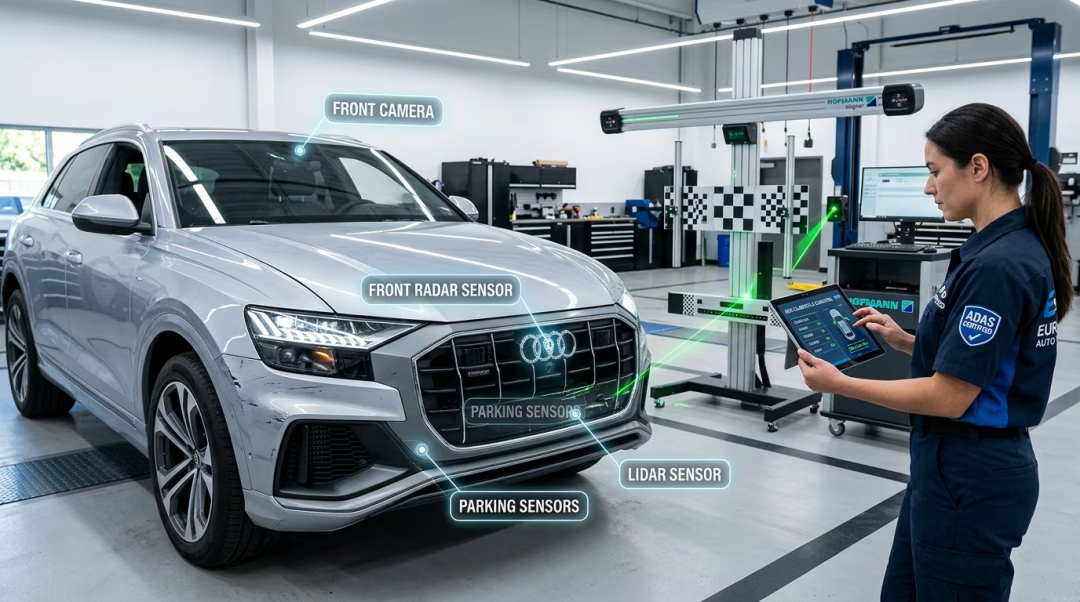
These systems are not just luxury add-ons; they are deeply woven into the vehicle's structural and electronic architecture. The sensors and cameras that power ADAS are often located in areas highly susceptible to damage during a collision, such as bumpers, grilles, windshields, and side mirrors. Consequently, what may seem like a simple bumper repair is now a multi-step procedure that involves restoring the integrity of sensitive electronic components.
To appreciate how ADAS affects repairs, it is helpful to understand the various systems and where their hardware is located. Many drivers use these features daily without realizing the technology working behind the scenes. Here are some of the most common systems:
Any repair work involving these areas—from a simple windshield replacement to a major front-end restoration—will inevitably impact one or more of these systems.
The single most important new step in modern collision repair is ADAS calibration. Calibration is the process of precisely aligning the sensors and cameras so that the data they provide to the vehicle's computer is 100% accurate. These systems operate on incredibly fine tolerances; a sensor that is misaligned by even a single degree can misinterpret the road ahead, leading to dangerous malfunctions. For example, a misaligned forward-facing camera could cause the Lane Keeping Assist to steer the car out of its lane or the AEB system to fail to engage in an emergency.
Technicians must perform a pre-repair diagnostic scan to identify all affected systems. After the physical repairs are completed, a post-repair calibration is performed. There are two primary types of calibration:
Many vehicles require a combination of both static and dynamic calibration to be fully restored. Skipping this step is not an option. It is a critical safety procedure that ensures the systems designed to protect you are working correctly. A proper post-repair inspection will always include verification of successful ADAS calibration.
The precision required for ADAS functionality also highlights the importance of using Original Equipment Manufacturer (OEM) parts. An aftermarket bumper, for instance, may look identical, but its material thickness or composition could be different enough to interfere with a radar sensor's signal. A non-OEM windshield might have slight variations in its curvature or clarity, distorting the view of the forward-facing camera. Using OEM parts ensures that every component fits exactly as the manufacturer intended, providing a clear and unobstructed view for all ADAS sensors and cameras.
Even the thickness of the paint can make a difference. Some radar sensors cannot function properly if the paint and clear coat applied over them are too thick. Professional repair shops follow manufacturer-specific repair procedures that detail every step, from disassembly to the exact type and thickness of paint to apply. This meticulous attention to detail is essential for a safe and complete repair that restores both form and function.
Not all body shops are equipped to handle the complexities of ADAS repair. Servicing these systems requires a significant investment in specialized calibration equipment, ongoing technician training, and access to up-to-date manufacturer repair information. When selecting a facility, it is vital to ask if they have the tools and expertise to perform ADAS calibrations. A qualified shop will be transparent about their process and explain why these steps are necessary. By learning how to choose a collision repair shop that prioritizes technology and safety, you can be confident that your vehicle will be returned to you in its pre-accident condition, with all its protective features fully functional.
Many vehicles have a forward-facing camera mounted to the inside of the windshield that is essential for systems like Lane Keeping Assist and Automatic Emergency Braking. When the windshield is replaced, the camera is removed and reinstalled. This process, even if done carefully, can slightly alter the camera's angle. Calibration is required to reset the camera's aim to the manufacturer's precise specifications, ensuring it accurately sees the road ahead.
Yes, absolutely. Many sensors for blind-spot monitoring, parking assist, and rear cross-traffic alert are located within or directly behind the bumper covers. Even if the bumper itself is only repaired and repainted, it must be removed. This removal and reinstallation process is enough to require a calibration to ensure the sensors are perfectly aligned and functioning as intended.
Skipping calibration can have serious safety consequences. The affected ADAS features may not work at all, or worse, they could work incorrectly. For example, adaptive cruise control might misjudge the distance to the car in front, or the automatic braking system could engage unexpectedly or fail to engage when needed. It creates an unpredictable and potentially dangerous driving situation.
ADAS calibration adds to the cost because it is a highly technical procedure requiring specialized, expensive equipment and highly trained technicians. The process takes time and must be performed in a controlled environment following strict manufacturer guidelines. This investment in technology and expertise is reflected in the cost but is essential for ensuring the vehicle's safety systems are restored properly.
No, not all body shops have the necessary equipment or training to perform ADAS calibrations. It is crucial to select a repair facility that has invested in the proper tools and whose technicians have received up-to-date training on these complex systems. Always ask a potential repair shop about their ADAS capabilities before authorizing work on your vehicle.