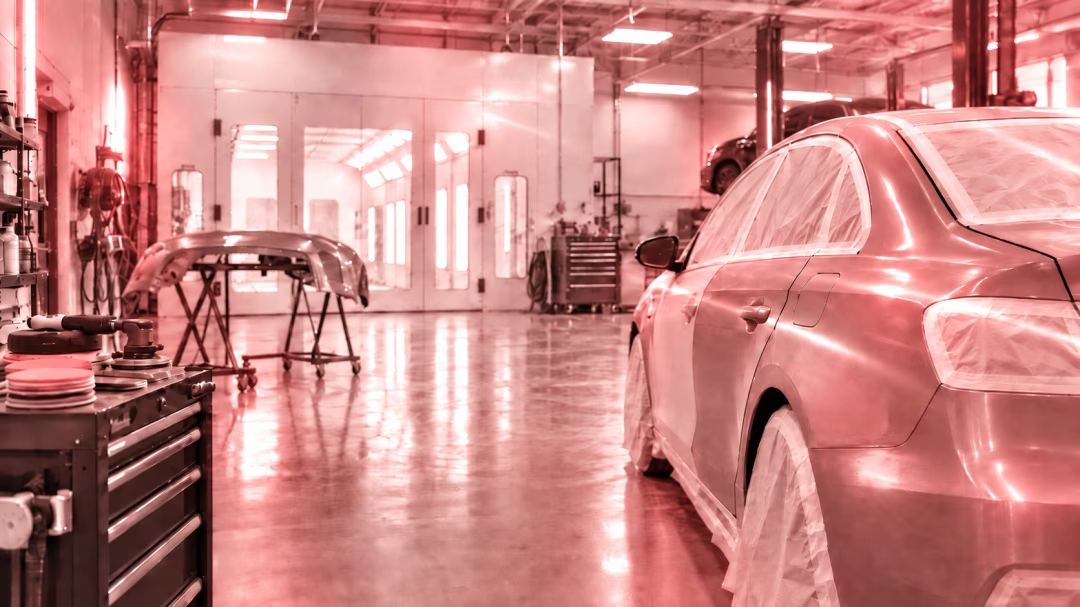
A damaged bumper can be a frustrating sight, whether it is from a minor parking lot mishap or a more serious collision. When faced with scuffs, cracks, or dents, the primary question for any vehicle owner is whether to pursue a repair or opt for a full replacement. This decision is more complex than it might seem, involving considerations of cost, safety, and the long term value of your vehicle. Understanding the key differences between these two solutions is crucial. Bumper repair often involves specialized techniques to fix cosmetic issues on the existing part, while a replacement means installing a brand new bumper. The severity and location of the damage, the material of your bumper, and the presence of integrated safety sensors all play a vital role in determining the most appropriate and effective course of action for your car.
Choosing the right approach not only restores the appearance of your vehicle but also ensures its structural integrity and the proper function of its safety systems. A professional evaluation can reveal hidden issues that might be missed by an untrained eye. Making an informed decision helps protect your investment, maintains resale value, and most importantly, keeps you safe on the road. Our team is here to guide you through the process, ensuring your vehicle receives the precise care it needs.
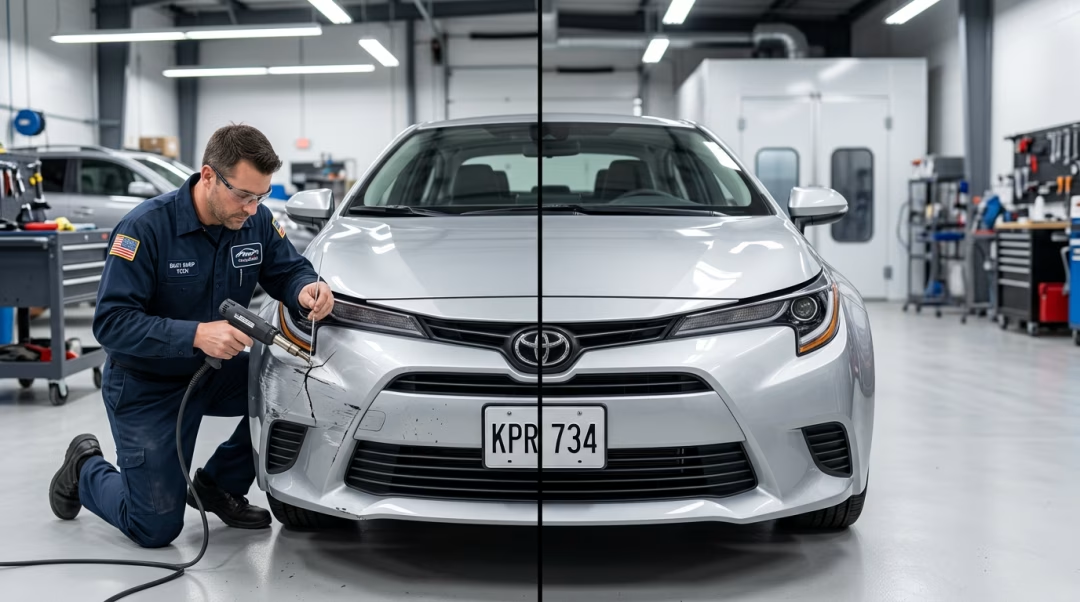
The bumper on your vehicle is one of its most important safety features. Designed as the first line of defense in a low-speed impact, it absorbs energy to protect the frame, engine, and other critical components from damage. When it gets damaged, deciding between repair and replacement is a critical choice. Let's explore the specifics of each option to help you understand what is best for your situation.
Bumper repair is a highly skilled process that focuses on restoring the existing bumper to its original condition. This method is typically suitable for cosmetic and minor structural issues. Modern vehicle bumpers are almost always made of plastic composites, which allows for a surprising degree of reparability. If your bumper has sustained the following types of damage, repair is often a viable and cost-effective option:
The repair process itself is multi-faceted. A technician will first thoroughly clean and assess the damaged area. For dents, they may use specialized heating tools to make the plastic pliable and reshape it. For cracks and gouges, a plastic welding technique might be employed, where the technician melts a filler rod into the damaged area to create a strong, seamless bond. After the structural repair is complete, the area is sanded smooth, primed, and prepared for painting. The final step involves a meticulous paint application, where technicians use advanced auto paint color matching technology to ensure the repaired spot is indistinguishable from the rest of the vehicle. When performed correctly, a bumper repair can be a fantastic solution that saves time and money.
While repair is often preferred for minor issues, there are many situations where a full bumper replacement is the only safe and appropriate option. Opting for a repair on a severely compromised bumper can jeopardize your safety, as it may not perform as designed in a future collision. Replacement is generally required for:
During a replacement, the old bumper cover is removed, and a new one is installed. A key decision here is whether to use an Original Equipment Manufacturer (OEM) part or an aftermarket part. We strongly recommend OEM parts, as they are identical to the one your car came with from the factory, guaranteeing a perfect fit, finish, and safety rating. Exploring why OEM parts matter in collision repair is essential for any vehicle owner.
To make the best choice, you or your trusted technician must weigh several critical factors. The primary consideration is always safety. A bumper is more than just a cosmetic piece; it is engineered to crumple and absorb impact energy. If a repair cannot fully restore this capability, replacement is non-negotiable. Cost is another significant factor. Generally, a repair is less expensive than a full replacement due to lower material costs and sometimes less labor. However, if a repair is highly complex, the labor costs could approach that of a replacement, making the new part a more logical investment.
Ultimately, the best way to decide is by getting a professional assessment. A detailed collision repair estimate will involve removing the bumper cover to inspect for hidden damage to the underlying reinforcement bar, absorbers, and mounting brackets. What appears to be a minor scuff on the outside could be masking more serious issues underneath. Choosing a reputable shop is key to getting an honest and thorough evaluation. Before you commit to any work, be sure you understand how to choose a collision repair shop that puts your safety and satisfaction first.
Not all plastic bumpers can be repaired. While modern plastics are quite resilient, the viability of a repair depends on the extent and location of the damage. Large cracks, shattered pieces, or broken mounting points typically make the bumper unrepairable. Additionally, if the plastic has been stretched too much from a deep dent, it may not retain its original shape and strength, warranting a full replacement to ensure safety.
Bumper repair is generally more affordable than a full replacement. A simple repair for scratches or a small dent might cost a few hundred dollars. In contrast, a replacement can cost significantly more, often over a thousand dollars, depending on the vehicle model, whether it is an OEM part, and the complexity of sensors that need to be replaced and recalibrated. Always get a detailed estimate before proceeding.
Yes, when performed by a skilled and certified technician, a bumper repair should be completely invisible. Professionals use advanced techniques for filling, sanding, and blending. State of the art paint matching technology ensures the color and finish are identical to the factory paint job, restoring your vehicle's aesthetic appeal and making the damaged area indistinguishable from the rest of the car.
Whether your insurance covers a bumper replacement depends on your policy and the cause of the damage. If the damage was from a collision and you have collision coverage, your insurance will likely cover the replacement, minus your deductible. If it was from an event like a storm or vandalism, comprehensive coverage would apply. It is best to review your policy or speak with your insurance agent to understand your specific coverage.
If your bumper has parking sensors, any damage can affect their function. Even a minor impact can knock them out of alignment or damage the internal wiring. During an assessment, a technician will check the sensors for damage. If the bumper is replaced, the sensors will be transferred to the new bumper and must be professionally recalibrated to ensure they work correctly. This recalibration is a critical safety step.