After an accident, the visible damage is often just the tip of the iceberg. Modern vehicles are complex networks of computers, sensors, and safety systems that can be compromised even in a minor collision. A pre-repair damage inspection is a vital, in-depth diagnostic process that uncovers this hidden damage. Using sophisticated scanning technology, our technicians communicate directly with your vehicle’s onboard computers to identify Diagnostic Trouble Codes (DTCs) and pinpoint issues with components like blind-spot monitors, adaptive cruise control, and airbag sensors. This goes far beyond a traditional visual estimate, providing a complete picture of the necessary repairs from the very beginning. It is the first and most critical step in ensuring your vehicle is returned to you in its pre-accident condition, both cosmetically and, more importantly, functionally safe for you and your family.
Choosing a facility that mandates a pre-repair damage inspection is choosing certainty and safety. This meticulous process prevents the costly and time-consuming surprise of discovering additional damage midway through a repair. By creating a precise and comprehensive repair blueprint upfront, we streamline the entire process, from parts ordering to final calibration. It ensures that every affected system is addressed, restoring the intricate safety web that protects you on the road. This commitment to a diagnostic-led approach is what sets a quality repair shop apart and gives you peace of mind.
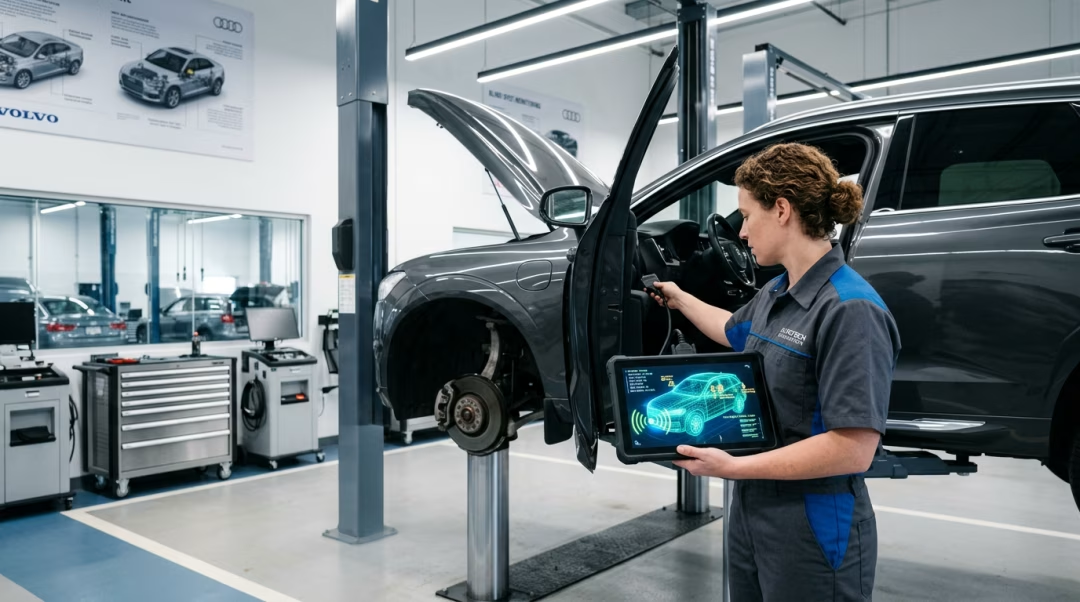
The days of assessing collision damage with just a clipboard and a keen eye are long gone. A modern pre-repair damage inspection is a blend of advanced electronic analysis and expert physical examination. The process begins the moment your vehicle enters our shop. We connect a specialized Original Equipment Manufacturer (OEM) compliant diagnostic scanner to your vehicle's OBD-II port. This tool acts as a translator, allowing us to see what your car's dozens of computer modules are reporting. It scans every system for active or stored DTCs, which are specific error codes that indicate a malfunction. A code could point to a disconnected sensor, a damaged wire, or a module that has failed due to the impact—issues that are impossible to spot visually.
Alongside the electronic scan, our certified technicians conduct a thorough physical teardown and inspection of the affected areas. This involves carefully removing damaged panels to reveal the underlying structure. We look for subtle signs of stress, such as bent brackets, cracked welds, or crushed reinforcement bars. Combining the electronic data with this physical evidence allows us to build a complete and accurate repair plan. This initial investment of time is crucial because it helps us understand the full scope of work and order all necessary parts at once, preventing delays later on. For more information on structural issues, see our page on the signs your vehicle needs structural frame repair.
An impact can send a shockwave through your vehicle, causing damage far from the point of contact. A pre-repair inspection is designed to find these non-obvious problems to ensure a complete and safe restoration. Our technicians are trained to identify a wide range of hidden issues that a simple visual check would miss.
A visual estimate serves a purpose as a preliminary assessment of obvious cosmetic damage. It can provide a rough idea of the repair cost for things like dented fenders, scratched paint, or a broken headlight. However, it is fundamentally incomplete for any modern vehicle. Relying solely on a visual estimate is like a doctor diagnosing a patient's condition from across the room—it misses everything happening beneath the surface.
The pre-repair scan is the modern equivalent of a full diagnostic workup, using technology to see what the human eye cannot. It reveals the electronic and systemic health of the vehicle. When a technician identifies a DTC for a blind-spot sensor, they know that the repair isn't just about fixing the bumper cover; it's also about replacing and recalibrating a critical safety system. This proactive approach prevents the dreaded phone call midway through a repair informing you that more damage has been found, which will lead to more costs and more delays. This additional work is often referred to as supplemental damage in an insurance claim, and while sometimes unavoidable, a thorough pre-scan minimizes it significantly.
Just as a pre-repair inspection is the first step, a post-repair inspection is the final, essential checkpoint. After all physical and mechanical repairs are complete, we perform another full diagnostic scan. This step is non-negotiable and serves two vital purposes. First, it confirms that all the new and repaired components are communicating correctly with the vehicle's network and that no new DTCs were introduced during the repair process. Second, it allows us to perform any necessary recalibrations for ADAS features like cameras and radar. This final validation is our promise to you that your vehicle is not only visually restored but also electronically sound and safe to drive. To learn more, visit our guide on why a post-repair inspection matters.
Absolutely. Modern vehicles integrate sensors into bumpers, mirrors, and grilles. Even a low-speed impact that causes only a scuff or a small dent can be enough to damage a sensor or knock a camera out of alignment. A pre-repair scan is the only way to confirm that all safety systems are still operating as designed, regardless of the visible damage.
The electronic scan itself can often be completed in under an hour. However, a comprehensive inspection that includes a partial teardown of the damaged area, cross-referencing manufacturer repair procedures, and analyzing the scan data can take several hours. This thoroughness at the start is what ensures a smooth and efficient repair process.
Most reputable insurance providers recognize pre- and post-repair scanning as an essential and required step for a safe and proper repair on modern vehicles. It is typically a covered procedure included in the overall cost of the claim. Documenting the need for these scans is a key part of the auto body insurance claims process.
This is precisely why the pre-repair inspection is so valuable. If we uncover hidden damage, we meticulously document it with photos and the diagnostic scan report. We then create a supplement to the original estimate and communicate our findings directly with you and your insurance provider for approval before any additional work is performed.
Not necessarily. Performing an accurate and meaningful scan requires more than just a generic code reader. A quality shop invests in OEM-specific diagnostic tools and, just as importantly, in continuous training for its technicians. To ensure a correct diagnosis, it is vital to choose a shop with the right equipment and knowledge. Ask a potential shop about what certifications they have to verify their expertise.