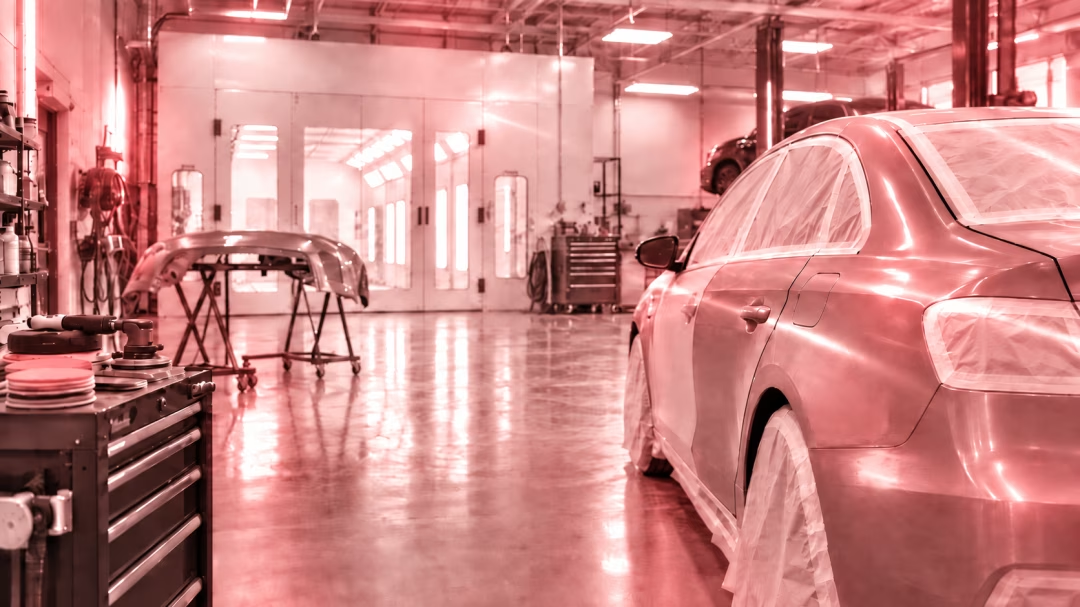
When it comes to vehicle aesthetics, the quality of the paint job is paramount. While any professional repaint aims to restore a car's appearance, the process for a luxury vehicle is fundamentally different from a standard repair. A standard repaint focuses on efficiency and functionality, using quality materials to achieve a durable and attractive finish. However, a luxury vehicle demands an unparalleled level of precision, artistry, and advanced materials to replicate its original factory perfection. This process involves meticulous disassembly, specialized multi-stage paints, and an intensive finishing process that goes far beyond a typical paint booth session. Understanding these distinctions is crucial for owners who wish to preserve the integrity, beauty, and value of their high-end automobiles. It is not just about applying color; it is about restoring a masterpiece. Explore our premium pre-owned inventory to see examples of pristine factory finishes.
The core difference lies in the philosophy behind the work. Standard repaints are about effective restoration, while luxury repaints are about flawless replication. This involves using vehicle-specific, OEM-approved paint systems and techniques that require specialized training and equipment. The labor-intensive finishing, including multi-stage polishing and paint correction, ensures a mirror-like surface free of any imperfections. This commitment to perfection is what separates a good paint job from an exceptional one, protecting your investment and maintaining the vehicle's prestigious status.
A vehicle's paint is more than just a color; it is a protective barrier and a defining characteristic of its design. For luxury vehicles from brands like BMW, Mercedes-Benz, Porsche, and Audi, the paint finish is an integral part of their identity, often involving complex formulas and application methods straight from the factory. When repair or restoration is needed, simply matching the color is not enough. The entire process, from preparation to final polish, must be elevated to meet a much higher standard. Let's explore the key areas where luxury vehicle repaints diverge significantly from standard repairs.
The final quality of a paint job is determined long before any color is applied. In a standard repaint, preparation typically involves sanding the damaged area, applying body filler if necessary, priming, and masking off adjacent panels, windows, and trim. This is an effective method for most vehicles and daily drivers.
For a luxury vehicle, preparation is an exercise in painstaking detail. Instead of masking trim, handles, lights, and emblems, these components are carefully removed. This ensures that every edge and seam receives a perfect, factory-like paint application without any tell-tale tape lines. The surface preparation is also far more intensive. Technicians may use different grades of abrasives and cleaning agents to prepare the substrate, whether it is steel, aluminum, or carbon fiber, as each material requires a specific primer for optimal adhesion and longevity. This level of disassembly and surface treatment is critical for a seamless result that is indistinguishable from the original finish. To learn more about this process, read about how scratches and chips are repaired before repainting.
Standard vehicles are typically painted using a durable and reliable two-stage system: a base coat for color and a clear coat for protection and shine. This system offers excellent results and is the industry standard for good reason.
Luxury vehicles, however, often feature much more complex paint systems from the factory. These can include:
Furthermore, high-end shops often use OEM-approved paint lines from manufacturers like Glasurit or Spies Hecker, ensuring the chemical composition is as close to the factory application as possible.
While any professional shop uses a paint booth to control dust and debris, the environment for a luxury repaint is even more strictly controlled. State-of-the-art downdraft booths with advanced filtration and temperature controls create the perfect setting for a glass-smooth application. The technician's skill is also a major factor. Painters who work on high-end vehicles are often master technicians with years of experience in handling complex paint systems. They understand the precise spray gun settings, application speed, and overlapping techniques needed to lay down a perfectly even coat. This is particularly important when blending a new finish into an existing factory panel, a common practice to ensure an invisible repair.
After the paint has cured, the work is far from over. In a standard repair, the vehicle might receive a light polish before being returned to the customer. For a luxury repaint, the finishing process is just as intensive as the preparation. To achieve a true "factory finish," technicians will meticulously wet-sand the new clear coat with ultra-fine grit sandpaper. This process levels the surface and removes any minuscule texture known as orange peel, creating a perfectly flat canvas.
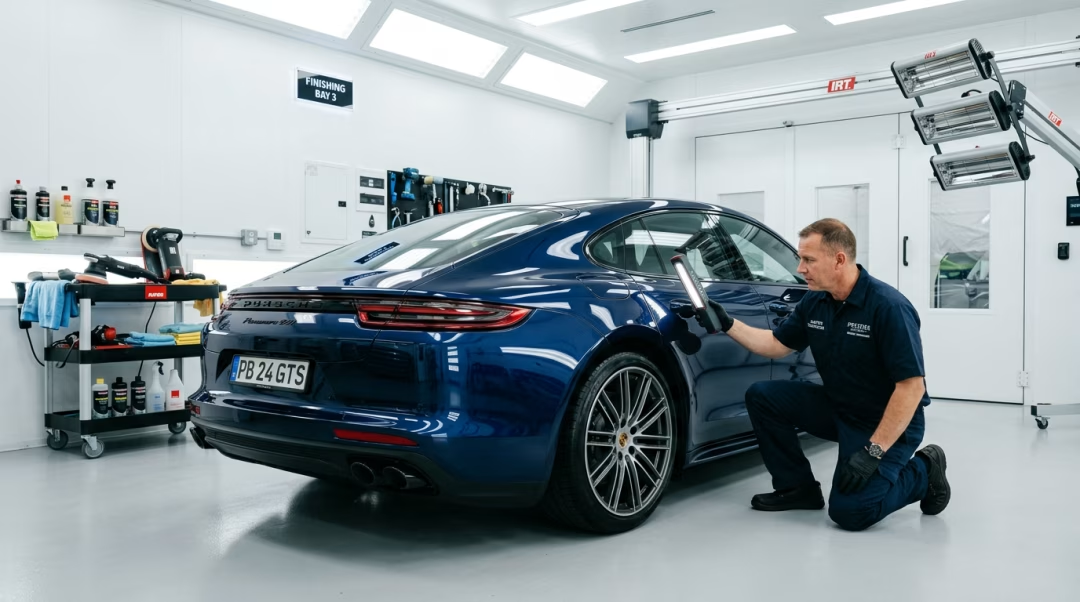
Following this, the surface undergoes a multi-stage machine polish using a series of compounds and polishes, each finer than the last. This painstaking process brings out a deep, liquid-like gloss that is often superior to the original factory finish. Finally, a thorough quality control inspection under specialized lighting is performed to identify and correct any remaining imperfections. This is how you can spot quality paint work on any vehicle.
Ultimately, the extra time, skill, and cost associated with a luxury vehicle repaint directly impact its resale value. A subpar paint job is one of the biggest red flags for a potential buyer of a high-end pre-owned vehicle, as it can suggest hidden damage or a lack of proper care. A flawless, professionally executed repaint, however, maintains the vehicle's aesthetic appeal and structural integrity, ensuring it commands the value it deserves. When considering a vehicle or seeking repairs, understanding these differences ensures you make an informed decision that protects your investment for years to come. For any service needs, do not hesitate to schedule an appointment for vehicle service with our expert team.
The higher cost is due to several factors: the use of premium, often OEM-approved paint materials, the extensive labor required for disassembly and reassembly, the advanced skill level of the technicians, and the multi-stage finishing process, including wet sanding and polishing, which is extremely time-consuming.
Yes, absolutely. A trained eye can spot differences in finish texture (orange peel), gloss depth, and the quality of edges around trim and panels. A luxury repaint should be indistinguishable from a factory finish, with flawless reflections and perfect color matching under all lighting conditions.
While a standard spot repair might take a few days, a full panel or multi-panel luxury repaint can take a week or even longer. The extended timeline accounts for careful disassembly, proper curing times between each paint stage, and the meticulous multi-day process of wet sanding and polishing.
A quality repaint from a certified shop using OEM-approved materials should not void your vehicle's factory corrosion warranty. However, a poor-quality job using inferior materials could potentially lead to issues that the manufacturer would not cover. It is crucial to choose a reputable repair facility.
A "factory finish" refers to the quality, color, texture, and depth of the paint applied by the manufacturer. With the right materials, environment, and a highly skilled technician, it is not only possible to match the factory finish but, in many cases, to exceed it in terms of smoothness and gloss due to the intensive post-paint finishing process.