After a vehicle collision, one of the most pressing questions is, "How long will this take?" The time it takes for an insurance claim to process for body work is not a single, simple answer. It is a multi-stage journey influenced by several key factors. The process begins the moment you file the claim and involves communication between you, your insurance provider, and the collision repair center. The initial damage assessment, the insurance adjuster's evaluation, parts availability, and the complexity of the repairs all play a significant role in the overall timeline. While a minor bumper repair might take only a few days to approve and complete, a more substantial collision requiring structural work could extend the process to several weeks. Understanding each step can help manage expectations and ensure a smoother experience from start to finish. Our goal is to demystify this timeline and provide clarity during a stressful time.
Navigating the claims process is much easier when you have a trusted partner. The collision repair shop you select is crucial, as their expertise, communication, and relationship with insurance carriers can directly impact the speed and quality of your vehicle's restoration. A proficient shop will not only perform high quality repairs but will also act as your advocate, handling correspondence with the insurer and managing supplemental claims for hidden damage. This proactive approach helps prevent unnecessary delays and ensures your vehicle is returned to its pre-accident condition safely and efficiently.
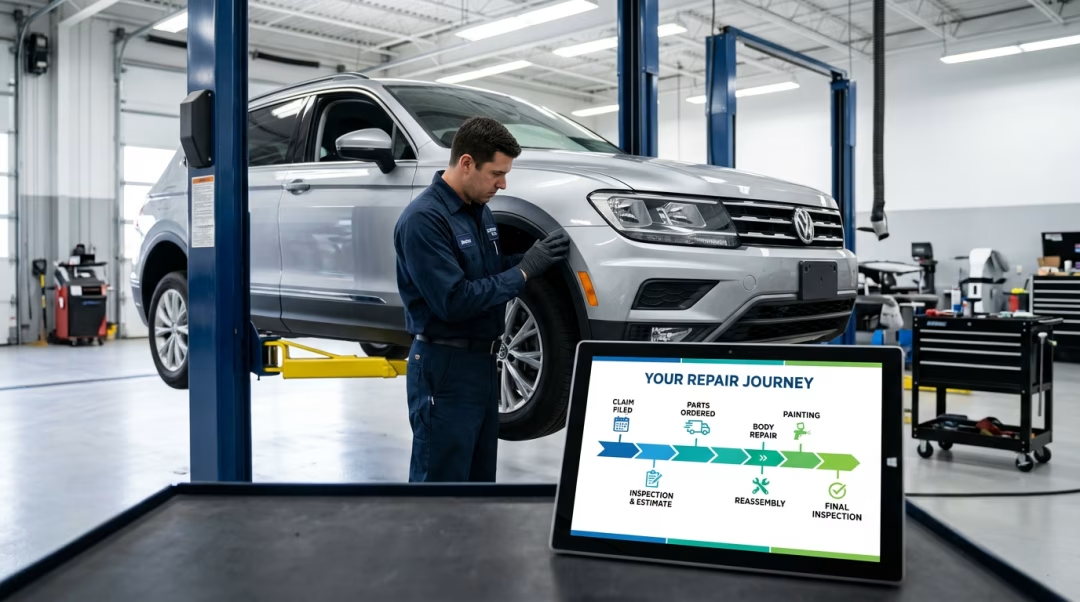
Dealing with the aftermath of a car accident is stressful enough without the added confusion of the insurance claims process. While every situation is unique, the journey from filing a claim to getting your repaired vehicle back follows a general sequence of events. Having a clear understanding of these stages can help you anticipate what comes next and identify potential delays. The total time can range from just a few days for very minor damage to over a month for extensive repairs involving parts backorders or complex insurance negotiations.
Let's explore the step-by-step timeline you can generally expect when processing an insurance claim for auto body work. Knowing these details can empower you as a consumer and help you navigate the process with more confidence. For a deeper look into the entire repair journey, you can learn more about how long collision repair typically takes.
The clock starts ticking the moment you report the accident to your insurance company. You should do this as soon as possible after the incident. During this initial call or online submission, you will provide the essential details: when and where the accident happened, who was involved, and a general description of the damage. The insurance company will assign you a claim number and an adjuster who will be your primary point of contact.
Next, you will need to get an initial estimate. Some insurers allow you to submit photos through a mobile app for a preliminary estimate, while others require an in-person inspection from their adjuster. Alternatively, you have the right to take your vehicle directly to a repair facility of your choice. You can learn more about why you can choose your own body shop after an accident. The shop will then perform a detailed inspection and write their own estimate to submit to the insurance company.
Once an estimate is created, it must be reviewed and approved by the insurance adjuster. This is a critical phase where delays can occur. The adjuster's job is to verify the damage, confirm that the proposed repairs are necessary and related to the accident, and ensure the costs are reasonable. They will compare the body shop's estimate with their own assessment or industry standard pricing. If there are discrepancies, the adjuster and the body shop will need to negotiate the scope and cost of the repairs. A knowledgeable body shop will advocate on your behalf, providing documentation to justify the need for specific procedures, especially those related to restoring vital vehicle safety systems.
After the initial repair plan is approved, the body shop can begin the work. The first step is often disassembling the damaged area to uncover any hidden issues. If additional damage is found, a supplemental damage claim must be filed, which requires another round of approval from the insurer and can add time to the process.
The most significant variable in this stage is parts availability. Common parts for popular vehicles may arrive within a day or two. However, specialized components, parts for newer models, or parts for luxury vehicles can be back-ordered for weeks, especially with ongoing global supply chain disruptions. The choice between OEM and aftermarket parts can also affect this timeline; you can read about why OEM parts matter in collision repair. The actual repair work involves:
Once the repairs are complete, the body shop will notify you and your insurance company. The insurer will issue payment directly to the shop, minus your deductible. You will be responsible for paying your deductible to the shop when you pick up your vehicle. Before you leave, it is crucial to perform a final inspection of the work with a shop representative. Check the panel gaps, paint finish, and ensure all electronic components are functioning correctly. A reputable shop will offer a warranty on their work, providing you with peace of mind. A proper post-repair inspection matters after collision work to ensure everything has been restored to factory standards.
The time an insurance company has to settle a claim varies by state law, but most states require insurers to acknowledge a claim within 10 to 15 days and to accept or deny it within about 40 days. However, the "settlement" refers to the agreement to pay, not the completion of repairs. The total timeline is still dependent on the repair process itself, including parts availability and the discovery of any supplemental damage.
The most frequent delays stem from three main areas: parts availability, especially for newer or less common vehicles; the discovery of hidden damage after teardown, which requires a supplemental claim and re-approval from the insurer; and slow communication or disputes between the repair shop and the insurance adjuster regarding the necessary repair procedures and costs.
Whether you are entitled to a rental car depends on your specific insurance policy. If you have rental reimbursement coverage, your policy will cover a rental car up to a certain daily limit for a specific number of days. If the other driver was at fault, their insurance company is typically responsible for covering the cost of a comparable rental vehicle. Be sure to review how rental car coverage works with your policy.
This is a very common situation. Initial insurance estimates are often based on visual inspection only and may not account for underlying damage. A professional body shop will perform a more thorough inspection and submit a supplement to the insurance company with documentation justifying the additional repairs. The shop and the adjuster will then negotiate to reach an agreed-upon price to complete the repairs correctly.
To help streamline the process, you should remove all personal belongings from your vehicle, including from the trunk and glove compartment. This prevents items from being lost or damaged and gives technicians clear access to all areas of the car. Make sure you have your insurance claim number and the adjuster's contact information readily available to provide to the shop. Following these steps helps when you prepare your vehicle for a body shop estimate appointment.