After a vehicle collision, the path to getting your car repaired can seem complicated. One term you will likely encounter is a "Direct Repair Program," often called a DRP. This is a special network of auto body shops that your insurance company has partnered with and pre-approved. These partnerships are designed to streamline the entire repair process for you, the policyholder. Instead of needing multiple estimates or dealing with extensive back-and-forth communication, a DRP shop can often get started on your vehicle's repairs much faster. The insurance provider trusts these facilities to meet specific standards for quality, training, and customer service. This established relationship means less hassle for you and a more efficient journey from filing a claim to getting back on the road. The core idea is to simplify what can otherwise be a very stressful experience, providing a clear and direct route for high-quality collision repair.
Choosing a shop within your insurer's Direct Repair Program offers significant advantages, including a streamlined claims process, direct billing, and often a lifetime warranty on the repair work backed by the insurance company itself. This network is built on a foundation of trust and accountability, ensuring that your vehicle is restored according to industry best practices. By working with a pre-vetted partner, you can have greater confidence in the quality and efficiency of the repairs, turning a difficult situation into a manageable one.
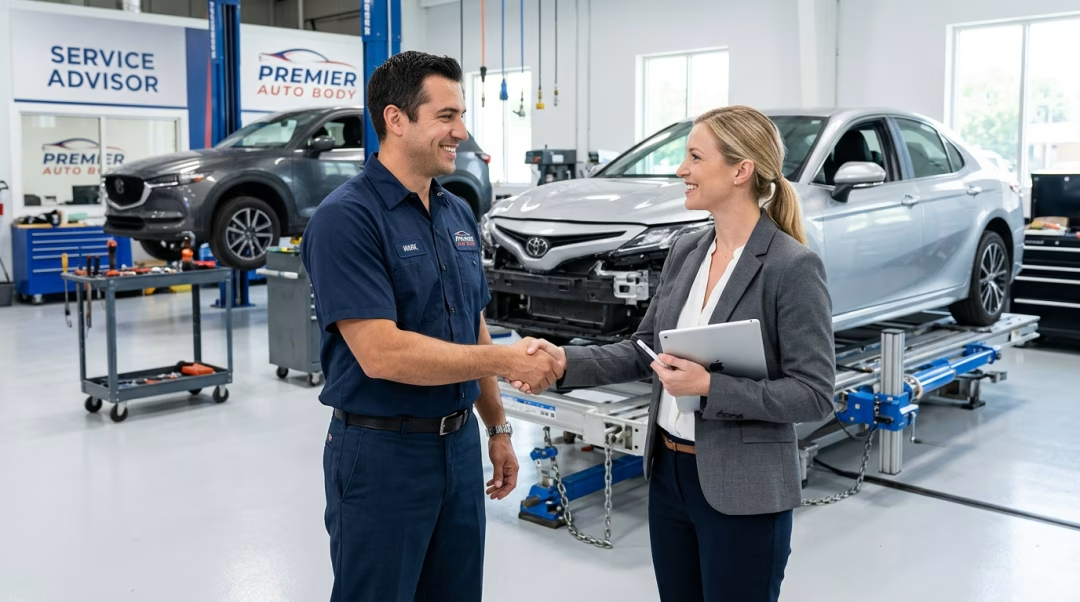
A Direct Repair Program (DRP) represents a formal agreement between an insurance carrier and an independent collision repair facility. This is not just a casual recommendation; it is a contractual relationship where the auto body shop agrees to adhere to a specific set of guidelines and standards set by the insurer. In exchange for meeting these rigorous requirements, the insurance company refers its policyholders directly to the shop for repairs after a claim is filed. This creates a symbiotic relationship: the shop receives a consistent flow of business, and the insurer can be confident that its customers are receiving reliable service at pre-negotiated rates.
The process is designed for maximum efficiency. When you are in an accident and file a claim, your insurance adjuster will likely provide you with a list of DRP shops in your area. If you choose one of these facilities, the administrative hurdles are significantly reduced. The shop is often authorized to write the initial estimate on behalf of the insurance company, eliminating the need for you to drive around getting multiple quotes. Because pricing for labor and procedures is already agreed upon, the approval process is expedited, allowing the technicians to begin work much sooner. This contrasts sharply with the traditional method, which can involve waiting for an adjuster to inspect the vehicle, approve an estimate, and then authorize repairs, a process that can add days or even weeks to the timeline.
For vehicle owners, the advantages of using a DRP shop are clear and impactful. The streamlined nature of the program translates directly into a better customer experience during a stressful time. Here are some of the key benefits:
While DRPs offer many conveniences, it is crucial to remember your rights as a consumer. In most states, the law guarantees you the right to have your vehicle repaired at any shop of your choice. An insurance company can recommend its DRP network, but it cannot legally require you to use one of its partners. This is an important distinction. If you have a long-standing relationship with a trusted local body shop, you are entitled to take your vehicle there. You can learn more about this on our page discussing if you can choose your own body shop after an accident.
Another key consideration involves the types of parts used in the repair. Some DRP agreements may encourage or require the use of alternative parts, such as aftermarket or recycled (salvage) parts, to manage costs. While these parts can be perfectly safe and functional, some vehicle owners prefer Original Equipment Manufacturer (OEM) parts to maintain the vehicle's original fit, finish, and integrity. It is always a good idea to have a conversation with the repair facility about their parts policy. For a deeper dive into this topic, explore our guide on why OEM parts matter in collision repair. A reputable shop, whether in a DRP or not, will be transparent about the parts they intend to use and explain the differences to you.
Ultimately, the decision rests with you. A Direct Repair Program is a tool designed to make the auto body insurance claims process easier, not to limit your options. By understanding how the program works, its benefits, and your fundamental rights, you can navigate the post-accident landscape with confidence and ensure your vehicle receives the quality care it deserves.
No, you are not. In nearly all states, consumer protection laws give you the legal right to choose any collision repair facility you trust to fix your vehicle. Your insurance company can recommend their DRP partners for convenience, but they cannot force you to use them.
The primary benefits include a faster, more streamlined repair process, direct communication and billing between the shop and the insurer, and a repair warranty that is often backed by the insurance company itself, providing an extra layer of security for the work performed.
Not necessarily. While DRP agreements may involve the use of certified aftermarket or recycled parts to control costs, these parts must meet certain quality standards. However, if you prefer OEM (Original Equipment Manufacturer) parts, you should discuss this with the shop and your insurer, as it may affect your out-of-pocket costs.
Collision repair centers must go through a rigorous vetting process. Insurance companies inspect the shop's facilities, equipment, technician certifications (like I-CAR or ASE), customer service records, and business practices to ensure they meet high standards for quality, safety, and efficiency before extending an invitation to join their network.
It can, but not always. The primary delay when using a non-DRP shop is the need for an insurance adjuster to physically inspect the vehicle and approve the estimate before repairs can begin. With a DRP shop, this step is often waived. However, a well-organized independent shop can still manage the process efficiently.