It is a frustratingly common sight: a minor scratch or a small dent from a stray shopping cart that, over time, blossoms into an ugly, bubbling rust spot. Many drivers wonder how such insignificant damage can lead to such a serious problem. The answer lies in the multi-layered shield that protects your vehicle’s metal body panels. A car's paint job is more than just for looks; it is a sophisticated system of coatings designed to seal the steel frame from the elements. The outermost clear coat deflects UV rays and minor abrasions, while the base coat provides color. Beneath that, primer and an e-coat create an adhesive, corrosion-resistant foundation. When a rock chip, a deep scratch, or a dent breaks this seal, it creates an opening. This breach exposes the vulnerable steel underneath to the two key ingredients for rust: oxygen and moisture. Once this process begins, it can spread quickly, compromising the integrity of the panel.
Understanding the science behind rust is the first step toward prevention. The process, known as oxidation, is a chemical reaction between iron (in the steel) and oxygen, which is greatly accelerated by water or humidity. Factors like winter road salt and acid rain can speed up this corrosive reaction exponentially. A tiny chip in the paint is all it takes to start a chain reaction that can lead to costly repairs. This is why addressing minor body damage promptly is so critical for maintaining your vehicle’s condition and resale value, a principle we stand by when inspecting every vehicle in our inventory.
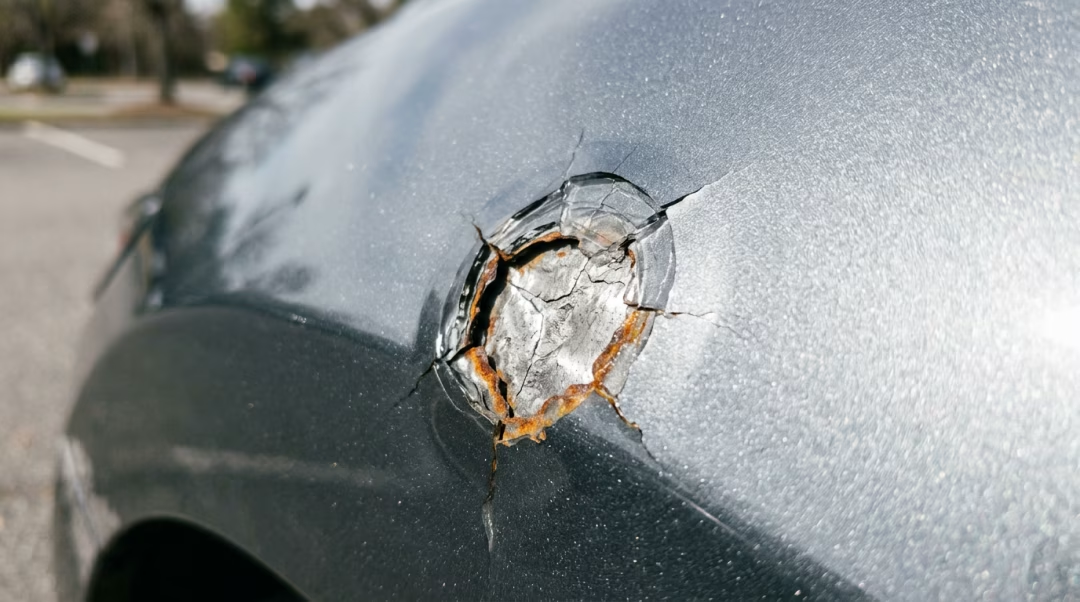
At its core, rust is simply the common term for iron oxide. It forms when iron or its alloys, like the steel used in your car's body panels, are exposed to oxygen and moisture over a prolonged period. Think of your vehicle's paint as armor. When that armor is pierced, no matter how small the breach, the metal underneath is left defenseless against the environment. The initial damage might seem purely cosmetic, but it sets the stage for a much more destructive process. This is particularly true in climates with high humidity or in regions that use salt to treat roads in the winter, as detailed in our guide on how winter road salt affects vehicle paint.
A modern vehicle’s finish is a complex, multi-stage system designed for maximum protection. Here is a breakdown of the layers that a simple rock chip can compromise:
When minor damage occurs, it can easily penetrate all four layers, exposing the raw steel. Once that happens, moisture from rain, snow, or even the air itself begins the oxidation process, and the first signs of surface rust appear.
Rust does not appear fully formed overnight. It progresses through several stages, each more damaging than the last. Catching it early is the key to preventing a minor blemish from turning into a major structural issue.
The first stage is surface rust. This appears as a light, powdery orange-brown discoloration on the exposed metal. At this point, the damage is purely on the surface of the panel. It has not yet compromised the metal's thickness or strength. This is the easiest and cheapest stage to repair, often requiring a simple process of sanding the rust away, priming the spot, and applying touch-up paint. Ignoring it, however, allows the corrosion to advance.
If left untreated, surface rust develops into scale rust. The oxidation begins to eat into the steel, causing it to flake and pit. You will notice the paint around the original chip start to bubble and peel as the rust expands underneath it. This bubbling is caused by the iron oxide occupying more volume than the original steel, physically lifting the paint off the surface. Repairing scale rust is more involved, requiring grinding or media blasting to remove all the corrosion before filling, priming, and repainting the area.
The final and most severe stage is penetrating rust. At this point, the corrosion has eaten completely through the metal panel, creating holes. This is no longer just a cosmetic issue; it can be a serious safety concern, especially if the rust is on structural components like the frame, rocker panels, or floor pans. Repair often requires cutting out the affected metal and welding in a new patch panel, a significantly more complex and expensive job. Learning to identify signs your vehicle needs structural frame repair is crucial for any car owner.
The best way to deal with rust is to prevent it from ever starting. Proactive maintenance can save you thousands of dollars in repair costs down the road. Regularly wash your vehicle, especially the undercarriage, to remove corrosive materials like dirt, grime, and road salt. Applying a quality wax or sealant a few times a year adds an extra layer of protection on top of your clear coat.
Make it a habit to walk around your vehicle periodically and inspect it for new chips and scratches, particularly on leading edges like the front of the hood and bumper. If you find a small chip that has not started to rust, you can often fix it yourself with a small touch-up paint pen from the dealership. This simple action seals the bare metal from the elements. For larger scratches or dents, it is best to seek professional repair. Learning how scratches and chips are repaired by professionals can help you understand the value of a quality job.
When shopping for a pre-owned vehicle, knowing how to spot quality paint work is an invaluable skill. Look for signs of bubbling paint, mismatched colors, or uneven panel gaps, as these can be indicators of underlying rust or a poor repair job. At our dealership, we pride ourselves on transparency and quality, which you can learn more about on our about us page.
Rust can begin to form in as little as a few days, especially in humid or wet conditions. In dry climates, it might take several weeks. However, the process starts the moment bare metal is exposed to oxygen and moisture, so prompt attention is always recommended.
Yes, minor surface rust from a small rock chip can often be a DIY project. Automotive parts stores sell rust repair kits that typically include sandpaper, primer, and touch-up paint. The key is to remove all traces of the rust down to clean, bare metal before sealing and painting the area.
Not necessarily. Rust is a localized issue that starts at a specific point of damage. While it can spread across the affected panel, it will not jump to other panels unless they also have damage. However, widespread rust can indicate that the vehicle has been consistently exposed to harsh conditions.
This is a classic sign that rust is spreading underneath the paint surface. As iron turns into iron oxide (rust), it expands and takes up more physical space than the original metal. This expansion creates pressure that lifts the layers of primer and paint from the inside, causing the characteristic bubbling or blistering appearance.
While surface rust is not an immediate structural threat, it should be treated as a serious warning sign. If left unaddressed, it will inevitably progress to more severe scale and penetrating rust, which can compromise the panel's integrity and lead to much more expensive and complex repairs.