There is nothing quite like the feeling of seeing your vehicle restored to its former glory after a collision repair. The panels are straight, the finish is flawless, and the paint shines perfectly. This investment in your car's appearance and structural integrity is worth safeguarding. A freshly repaired and repainted panel is at its most vulnerable in the first few months as the new materials fully cure and harden. Taking proactive steps immediately after you get your car back is the key to preserving that showroom finish and protecting your repaired panels from future damage. Understanding the curing process and implementing a proper care routine will ensure your repair work lasts for years, maintaining your vehicle’s aesthetic appeal and resale value. By following a few simple guidelines, you can prevent chips, scratches, and environmental harm, keeping your car looking as good as the day the repairs were completed.
Protecting your investment goes beyond the initial repair. A consistent maintenance routine and mindful driving habits are your best defense against the everyday hazards that threaten your vehicle's finish. From choosing the right parking spot to applying modern protective coatings, every small action contributes to the long-term health of your car's body panels. This guide will provide you with the detailed knowledge you need to create a comprehensive protection plan, ensuring your vehicle remains in pristine condition and you continue to drive with pride.
After investing time and resources into professional auto body work, the last thing you want is to see that pristine finish marred by new damage. Whether you have had fender damage repaired or a full quarter panel replacement, the steps you take next are critical. Protecting these newly repaired areas involves understanding the sensitive post-repair period and adopting long-term strategies to combat environmental and physical threats. This detailed guide will walk you through everything you need to know to keep your vehicle looking its best.
The most crucial time for a repaired panel is the first 30 to 90 days after you leave the shop. During this period, the new paint and clear coat are "curing," which is a chemical process where the solvents evaporate and the finish hardens completely. While the paint may feel dry to the touch, it is still soft and susceptible to damage on a microscopic level. Aggressive washing, harsh chemicals, or even bird droppings can leave permanent marks during this time.
For detailed information on caring for a new paint job, you can read our guide on how to care for a fresh paint job after repair. Here are the essential rules to follow during the curing window:
Once your new paint has fully cured, it is time to apply a layer of protection. This sacrificial barrier stands between your clear coat and the elements, absorbing the abuse so your paint does not have to. You have several excellent options, each with its own set of benefits.
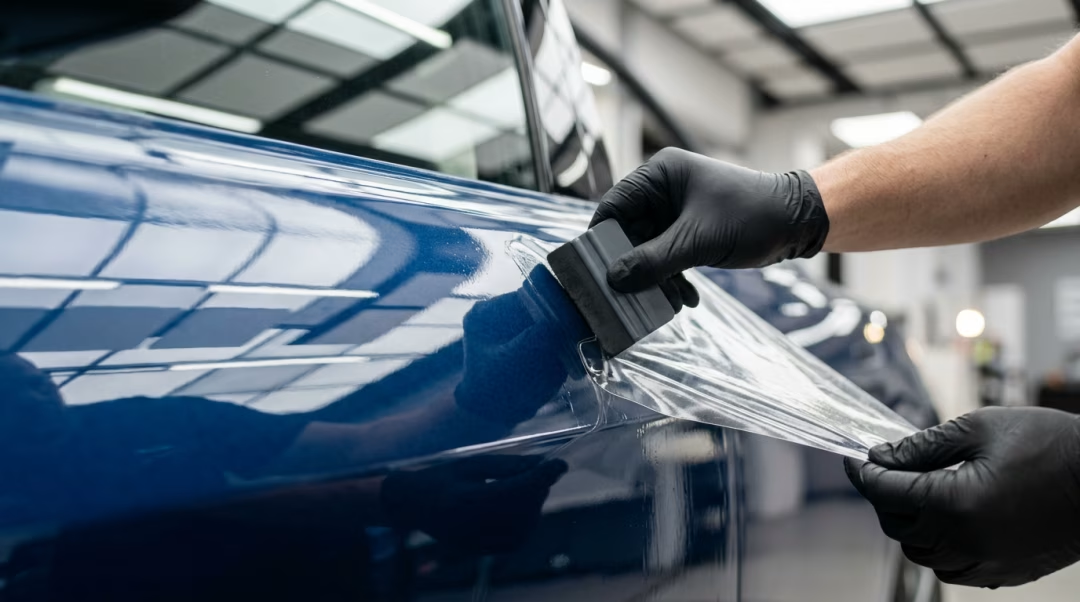
Paint Protection Film (PPF): Often called a "clear bra," PPF is a transparent, durable urethane film applied directly to the vehicle's painted surfaces. It is the ultimate defense against physical damage like rock chips, gravel spray, minor scuffs, and scratches. High-impact areas like the front bumper, hood, side mirrors, and fender edges are ideal candidates for PPF. Modern films are self-healing, meaning minor scratches disappear with exposure to heat from the sun or a heat gun. If you are curious whether it is a good investment, explore our article on if paint protection film is worth it.
Ceramic Coatings: This liquid polymer bonds chemically with your vehicle's factory paint, creating a durable, semi-permanent layer of protection. Unlike wax, a ceramic coating offers superior resistance to chemicals, UV rays, and environmental contaminants. Its most famous characteristic is its extreme hydrophobicity, causing water to bead up and roll off the surface, taking dirt and grime with it. This makes the vehicle easier to clean and helps keep it looking pristine for longer. A professional coating can last for several years with proper maintenance. For a deeper dive, check out our explanation of how ceramic coating works.
Waxes and Sealants: The most traditional form of paint protection, carnauba waxes, and synthetic paint sealants provide a glossy, slick surface that protects against water spots, UV rays, and light contamination. While they do not offer the impact resistance of PPF or the longevity of a ceramic coating, they are affordable and easy to apply at home. For best results, a quality wax or sealant should be reapplied every few months.
The best way to protect your repaired panels is to avoid damage in the first place. Adopting a few simple habits can dramatically reduce the risk of needing another trip to the body shop.
By combining immediate aftercare during the curing period with long-term protection and mindful daily habits, you can effectively shield your repaired panels from future damage. This not only preserves the beauty of your vehicle but also protects its value and ensures your satisfaction with the repair work for years to come. Should you have more questions, our team is always ready to help. You can learn more about us on our about us page or contact us directly.
It is best to wait at least a few days before the first gentle hand wash. Most body shops will clean the vehicle before returning it to you. For the first 30 days, only wash the vehicle when necessary and use very gentle techniques. Avoid any kind of automated or brush-based car wash for at least 60 to 90 days to allow the new paint to fully cure and harden.
Wax is a natural product (like carnauba) that provides a deep, warm gloss but typically lasts only a few months. A sealant is a synthetic polymer that offers longer-lasting protection (4-6 months) and a slick, reflective shine. A ceramic coating is a liquid polymer that forms a chemical bond with the paint, creating a hard, semi-permanent layer of protection that can last for several years with proper care, offering superior chemical and UV resistance.
While not strictly necessary, PPF is the most effective way to prevent physical damage like rock chips, which are common on forward-facing panels like bumpers and hoods. If you want the highest level of protection to keep your repaired panel looking brand new and free from chips, applying PPF after the paint has fully cured is an excellent investment.
The best preventative measures are increasing your following distance behind other vehicles, especially trucks, and avoiding roads with loose gravel when possible. For physical protection, applying Paint Protection Film (PPF) to high-impact areas like the front bumper, hood, and mirrors is the most effective solution to stop rock chips from damaging the paint.
You must remove it as quickly and gently as possible. Bird droppings are highly acidic and can etch into fresh, curing paint within minutes. Do not wipe or scrub it. Instead, place a soft, damp microfiber towel over the spot for a few minutes to soften it, then gently lift it away from the surface. A quick detailer spray can also help lubricate the area.